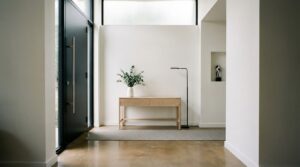
Welcome to your complete guide on creating beautiful, elegant rooms. We will explore the magic of using similar shades of the same color. This technique can turn any ordinary room into a harmonious and polished environment.
This approach to color has become a top trend in home design. It offers a refined method that works with any style, from classic to modern. You can achieve a look that feels both put-together and interesting.
This article will walk you through everything you need to know. We start with the basic ideas and move to practical steps for your own spaces. Whether you are new to decorating or just want a refresh, this method is very approachable.
You will learn how to layer different shades from one color family. This creates depth and a designer feel without making a room feel too busy. It’s a simple way to add major visual impact.
By the end, you will have the tools and inspiration to create stunning rooms. You can reflect your personal style while keeping a sophisticated and cohesive look. Get ready to see why so many people love this timeless color strategy.
Key Takeaways
- Tone-on-tone color schemes create a harmonious and elegant look.
- This design approach works well with both traditional and contemporary styles.
- Layering shades from the same color family adds depth and visual interest.
- The technique is beginner-friendly and helps achieve a polished aesthetic.
- It simplifies the decorating process while making a powerful visual statement.
- You can personalize your spaces while maintaining a cohesive design.
Introduction to Tone-On-Tone Color Concepts
Exploring the fundamentals of sophisticated color schemes begins with understanding tone-on-tone concepts. This approach transforms ordinary rooms into elegant spaces with remarkable depth.
Defining Tone-On-Tone Design
Tone-on-tone design uses varying shades from one color family. It ranges from light tints to dark shades within the same hue.
This method creates visual interest without clashing colors. It differs from single-color schemes by adding layered dimension. The result feels cohesive yet dynamic.
The Appeal of Subtle Color Harmony
Subtle harmony creates calm, unified spaces. Elements work together rather than competing for attention.
This approach balances visual interest with restful simplicity. It delivers polished results that appear professionally curated. Beginners can achieve sophisticated looks easily.
| Design Approach | Visual Effect | Complexity Level | Best For |
|---|---|---|---|
| Single Color | Flat, uniform appearance | Beginner | Minimalist spaces |
| Tone-on-Tone | Layered depth and dimension | Intermediate | Sophisticated homes |
| Multi-Color | High contrast and energy | Advanced | Eclectic interiors |
The table above shows how tone-on-tone strikes a perfect balance. It offers depth without overwhelming complexity.
Visual Harmony and Aesthetic Appeal
Visual harmony emerges naturally when different shades collaborate rather than compete for attention. This approach creates spaces that feel both calm and engaging. The result is a polished look that avoids overwhelming complexity.
By sticking to one color family, you achieve remarkable visual harmony. Smooth transitions between shades guide the eye effortlessly throughout the room. This creates a balanced and elegant aesthetic that feels professionally curated.
The technique adds significant depth to your space through light and shadow variations. Instead of relying on contrasting hues, it uses subtle differences within the same color family. This makes rooms feel more dimensional and interesting.
Your furniture and decor appear as intentional components of a unified design. This cohesive quality makes your home feel like a curated retreat. The aesthetic remains timeless while adapting to different rooms and styles.
This harmonious approach creates welcoming environments full of personality. It emphasizes restful elegance over bold contrasts. The outcome is a space that feels both sophisticated and genuinely inviting.
Mastering tone on tone interiors
Many people mistakenly believe that using one color means creating a flat, uninteresting space. The magic happens when you learn to harness its full range.
This mastery involves two key steps. First, clearly understanding how this approach differs from similar strategies. Second, gathering visual inspiration from successful real-world applications.
Tone-on-Tone vs. Monochromatic Design
It’s easy to mix up these two single-color methods. A monochromatic scheme uses very slight variations of one hue. This creates a clean, uniform look that can feel quite calm.
Tone-on-tone design, however, is more adventurous. It intentionally uses a wider range of different shades, from very light tints to deep, dark tones. This adds significant dimension and variety.
Think of it like this. Monochromatic uses different intensities of the same paint chip. Tone-on-tone explores the entire family of that color. To learn more about tone-on-tone design, explore how it creates depth.
The table below highlights the core distinctions:
| Design Aspect | Monochromatic Design | Tone-on-Tone Design |
|---|---|---|
| Color Range | Narrow, subtle variations | Broad, light to dark spectrum |
| Visual Effect | Uniform and cohesive | Layered and dynamic |
| Best For | Minimalist, serene spaces | Sophisticated, dimensional rooms |
Inspiration from Real-Life Examples
Seeing this design in action is the best way to understand its power. Current trends show its popularity for good reason.
Look for inspiration in photos of actual homes. You might see a living room with soft grey walls, a charcoal sofa, and pale grey rug. This layering creates a cozy, high-end feel.
Another great example is a bedroom using shades of blue. Navy bedding, powder blue walls, and sapphire accents work together beautifully. This approach feels both current and timeless.
Drawing from real-life inspiration helps you visualize the possibilities for your own interior. It proves that a sophisticated look is within reach.
Step-by-Step Guide to Implementing Tone-On-Tone Color
Achieving that designer look in your home begins with mastering the art of layered color application. This practical guide walks you through the process from start to finish.
Following these steps ensures your space feels cohesive and professionally designed. Even beginners can create stunning results with this approach.
Choosing Your Main Color and Palette
Start by selecting your main color based on the mood you want to create. Cool shades like blues bring calm, while warm tones create energy.
Your main color anchors the entire color palette. Choose something you love living with across different shades.
Build your palette with three to five variations from the same color family. Use paint chips to visualize how they work together.
Applying Layers of Shades and Tints
Apply your colors strategically for maximum impact. Use darker shades on trim and accent walls. Medium tones work well on larger surfaces.
Lighter tints create beautiful backgrounds on ceilings. This layering technique prevents flat, monotonous results.
Remember these key tips: ensure good contrast between light and dark shades. Distribute colors evenly throughout the room.
Test your palette in your actual space before committing. Lighting dramatically affects how colors appear together.
Incorporating Texture, Patterns, and Accents
Texture is the secret ingredient that brings tone-on-tone rooms to life with dimension and personality. While your color palette creates harmony, these elements prevent your space from feeling flat or monotonous.
They work together to create visual interest without disrupting your cohesive color scheme. This approach makes your room feel thoughtfully designed and inviting.
Embracing Texture to Add Depth
Texture is a fantastic way to add depth and interest to your space. Different surfaces create visual and tactile variety that your eye perceives as richness.
Imagine smooth walls paired with nubby linen curtains and plush velvet cushions. Even within the same color family, these varied finishes create subtle contrast.
Different materials interact with light uniquely. Matte paint, glossy trim, and metallic accents all reflect light differently. This interaction adds another layer of dimension to your design.
| Texture Type | Visual Effect | Room Application | Light Interaction |
|---|---|---|---|
| Smooth/Glossy | Reflective, modern feel | Trim, glass accents | High light reflection |
| Plush/Soft | Warm, inviting texture | Upholstery, rugs | Light absorption |
| Natural/Woven | Organic, tactile quality | Baskets, wood elements | Varied light diffusion |
Using Patterns for Visual Interest
Patterns introduce movement and break up large color areas. They provide visual interest while staying within your established palette.
Incorporate patterns through textiles like throw pillows and area rugs. Vary pattern scale from large to small for balanced appeal.
Mix organic and geometric designs for dynamic results. This variety keeps your room engaging without introducing competing colors.
Tone-On-Tone in Furniture and Decor
Your furniture choices can make or break the sophisticated look of a coordinated color scheme. The right pieces enhance harmony while poor selections disrupt the flow you’ve carefully created.
Thoughtful furniture selection ensures every element works together beautifully. This approach transforms your space into a cohesive, inviting environment.
Selecting Complementary Furniture Pieces
Choose upholstered items in various shades from your established color family. For example, a navy sofa pairs well with medium blue chairs and pale blue ottomans.
Wood furniture offers wonderful natural options for this decorating style. Different wood tones create warm, organic spaces that feel unified.
Distribute furniture shades thoughtfully throughout your room. Avoid clustering dark pieces on one side and light ones on another.
Accessories like curtains, pillows, and artwork reinforce your chosen palette. These details add texture and pattern while maintaining color harmony.
Light-colored arrangements create airy spaces perfect for smaller rooms. Darker tones bring drama to larger areas with ample natural light.
Conclusion
With these powerful decorating strategies, you’re ready to transform any room into an elegant retreat. You now have all the tools and inspiration to create beautiful, harmonious spaces that reflect current trends while expressing your personal style.
Remember that successful design relies on incorporating sufficient contrast between your lightest and darkest tones. This prevents your space from looking flat while maintaining visual harmony. Thoughtful layering of textures, patterns, and strategic accents adds the depth that makes rooms truly spectacular.
Don’t hesitate to experiment with different shades within your chosen color family. This comprehensive guide has given you numerous options for sophisticated home decorating. Start by selecting a color you love and gradually build your palette—the way you add dimension will make all the difference.
Your journey to creating magazine-worthy spaces begins now!