Creating a peaceful home environment starts with thoughtful arrangement. This approach to interior styling focuses on intentional choices rather than simply removing items. The goal is to craft an area that feels both calm and refined.
Every element in this method serves a clear purpose. This philosophy extends beyond basic decluttering to create harmony. The result is an environment that supports both relaxation and social connection.
This guide explores practical strategies for achieving this aesthetic. You’ll discover how to balance visual appeal with everyday functionality. The focus remains on creating a personal sanctuary that reflects modern tastes.
Many people mistakenly believe this style means cold or empty spaces. However, warmth and character can thrive within these principles. The key lies in selecting pieces that bring joy while maintaining order.
Transforming your central gathering area can positively impact daily life. Reduced visual noise promotes mental clarity and reduces stress. This creates a welcoming atmosphere for both quiet moments and entertaining guests.
Key Takeaways
- Intentional curation creates spaces that serve multiple purposes
- Every element should contribute to overall harmony and function
- Warmth and personality can coexist with orderly arrangements
- Reduced visual clutter supports mental well-being and relaxation
- Practical strategies work within various budgets and space sizes
- Balance sophisticated aesthetics with everyday functionality
- Focus on quality pieces that bring joy and serve clear purposes
Understanding the Essence of Minimalism
At its heart, this design methodology champions simplicity and purpose over excess and clutter. The philosophy centers on “less is more,” emphasizing quality over quantity in every choice. This approach creates environments that feel both open and intentional.
Every element in a minimalist space serves a clear function. The style focuses on removing unnecessary items while retaining what truly matters. This creates rooms that feel calm and purposeful rather than empty or stark.
Research shows that uncluttered environments contribute to better mental health. Reduced visual stimulation helps lower stress levels and improves focus. People experience greater mental clarity in spaces with clean lines and neutral palettes.
The benefits extend beyond aesthetics to practical lifestyle advantages. Maintaining a simplified interior requires less effort and reduces consumption. This aligns with sustainable values while creating inviting atmospheres.
Understanding this approach means recognizing it’s not about deprivation. It’s about carefully curating each element to serve a specific purpose. Natural light and clean arrangements work together to establish a calming environment that feels spacious and sophisticated.
Exploring Key Elements of Minimalist Living Rooms
The core elements that define an effective minimalist living area work together harmoniously. Each component serves a specific purpose while contributing to the overall serene atmosphere. This approach focuses on intentional selection rather than accumulation.
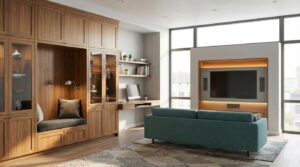
Essential furniture forms the foundation of your space. Comfortable seating provides both function and visual appeal without overwhelming the area. Built-in storage solutions like bookshelves keep belongings organized and out of sight.
Lighting plays a crucial role in establishing the right mood. Natural light sources combined with carefully chosen fixtures illuminate the room beautifully. Window treatments offer privacy and temperature control while maintaining clean lines.
Decor requires thoughtful restraint in this style. Select only a few meaningful things like simple wall art or indoor plants. Textured rugs can add personality without creating visual chaos.
The beauty of these elements lies in their multi-functional nature. Quality pieces that serve multiple purposes enhance both form and function. Focus on items that will endure over time rather than temporary trends.
Modern Furniture and Decor Selection
Modern furnishings should balance aesthetic appeal with practical functionality. Every piece in your space must serve a clear purpose while contributing to the overall harmony. This approach ensures your environment remains both beautiful and useful.
Quality over quantity becomes the guiding principle for selecting furniture. Investing in well-crafted pieces that endure over time creates lasting value. These items maintain their style and functionality for years rather than requiring frequent replacement.
Large furniture deserves special consideration in your planning. Pieces like sofas serve as anchor points that define the entire room’s character. They have the greatest impact on both comfort and visual appeal in your living area.
Angular furniture with clean lines creates a cohesive minimalist look. Mid-century modern recliners and accent chairs pair beautifully with simple shapes. Curved options offer elegant alternatives that feel less bulky and more open.
When choosing decor, select items that make a statement through craftsmanship. Each piece should contribute meaningfully without overwhelming the space. The right combination transforms your room from functional to genuinely sophisticated.
Color Palettes: Muted Hues, Monochrome, and Bold Accents
The strategic use of color can transform an ordinary area into a sanctuary of calm. Your chosen palette sets the entire mood for the space. It creates harmony between furniture, lighting, and decor elements.
Muted tones and pastel shades provide subtle visual interest. They maintain the uncluttered aesthetic that defines this approach. These soft colors create backgrounds that feel both sophisticated and serene.
A monochrome scheme offers a foolproof method for cohesion. Using variations of a single color creates depth without complexity. This approach ensures all elements work together seamlessly.
Neutral color schemes remain the hallmark of refined interiors. However, this doesn’t limit you to basic grays and browns. Warm beiges, soft whites, and gentle taupes create more inviting atmospheres.
Strategic pops of color can elevate your space without overwhelming it. Soft accent hues like blush pink or sage green add personality. A single vibrant piece can serve as a focal point while maintaining sophistication.
Consider how different colors interact with natural light throughout the day. This significantly impacts the room’s overall mood and atmosphere. The right palette promotes relaxation and mental clarity.
When selecting colors for walls and furnishings, aim for cohesion. Whether monochromatic or with careful accents, your scheme should tie everything together. This creates the peaceful environment you desire.
Quality Pieces and Functional Furniture
Thoughtful furniture choices represent a strategic approach to creating environments that serve both practical and aesthetic needs. This philosophy centers on selecting items that offer lasting value rather than temporary satisfaction. Each piece should contribute meaningfully to your overall vision.
Prioritizing quality over quantity ensures your selections withstand daily use while maintaining their appeal. Well-crafted furnishings become investments that pay dividends through years of reliable service. They establish a foundation for spaces that feel both intentional and refined.
When allocating your budget, focus on larger items that anchor the entire area. A comfortable sofa often serves as the centerpiece of any gathering space. This substantial furniture piece deserves special consideration due to its frequent use and visual impact.
Statement elements like exquisite coffee tables or unique lighting fixtures can transform ordinary rooms into sophisticated settings. Built-in components provide seamless functionality while preserving clean lines. These elements work together to create cohesive, uncluttered environments.
Selecting timeless designs ensures your furniture remains relevant as trends evolve. Pieces with clean silhouettes and durable materials offer the best long-term value. They create spaces that feel both current and enduring.
The right combination of quality furnishings establishes an atmosphere of calm sophistication. Each carefully chosen item serves a clear purpose while enhancing the overall aesthetic. This approach results in environments that support both relaxation and social connection.
Optimizing Natural Light and Open Layouts
The interplay between daylight and spatial arrangement defines truly inviting interiors. Natural light serves as one of the most valuable elements, creating connections with outdoor environments. This illumination enhances the sense of openness in any living area.
Maximize sunlight by choosing simple window treatments or leaving glass unobstructed. Large-scale windows with clear panels allow abundant light to flood your space. Strategic placement ensures illumination reaches throughout the room during different times.
Create open layouts by floating furniture rather than pushing pieces against walls. This approach improves traffic flow and maximizes light impact from multiple directions. The arrangement makes your living room feel significantly more spacious.
Combining abundant natural light with thoughtful spatial planning creates harmonious environments. This synergy transforms basic areas into sophisticated settings that promote tranquility. The result is a space that feels both expansive and intimately welcoming.
Enhancing the Space with Accent and Feature Walls
Accent walls offer a powerful way to inject personality into streamlined spaces without overwhelming them. A single statement wall can instantly elevate your environment while maintaining clean aesthetics. This approach adds visual interest without introducing clutter.
Textured materials like concrete or wood paneling create subtle depth and sophistication. Painting exposed brick walls crisp white blends texture with minimalist principles. These treatments provide elegant backdrops that feel both intentional and refined.
Art integration serves as another effective wall decor strategy. The right piece can transform your room’s atmosphere without occupying much surface area. Strategic placement helps define zones in open-concept layouts.
The key lies in restraint—choosing one focal wall rather than multiple competing elements. This ensures your space maintains its serene, uncluttered character while gaining personality and warmth.
Creative Storage Solutions for a Clutter-Free Look
Effective organization systems maintain visual tranquility while accommodating daily needs. Creative storage solutions are essential for preserving that clean aesthetic. They keep necessary items accessible yet out of sight.
Built-in storage represents the gold standard for seamless integration. Custom cabinetry and wall units provide ample room for belongings. These solutions maintain clean lines while offering substantial capacity.
Floating shelves offer practical storage without visual weight. They allow you to display select books or decorative objects. This approach keeps the overall space feeling open and airy.
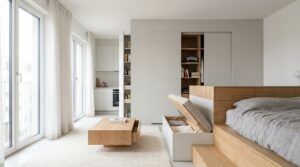
Multi-functional furniture with hidden compartments maximizes utility. Ottomans with internal space or coffee tables with drawers serve dual purposes. These pieces maintain the minimalist aesthetic while adding functionality.
Decorative baskets placed beside seating areas provide easy access to frequently used items. They add textural interest while keeping things organized. Wall-mounting technology equipment eliminates floor clutter and visible cables.
The key principle is “everything in its place.” Designating specific storage locations ensures your room can quickly return to its serene state. Strategic planning during the design phase prevents future clutter accumulation.
Tips for Crafting a Minimalist Living Room Design
Transforming your central gathering space begins with practical, actionable strategies. Start with small decluttering tasks that feel manageable rather than overwhelming. Sort through books and media, deciding what to keep, donate, or relocate to more appropriate areas.
Establishing a clear focal point gives your space visual direction and purpose. This could be an accent wall, a unique coffee table, or a striking light fixture. Arrange furniture and decor around this central element to create balance and cohesion throughout the area.
Regular editing is essential for maintaining the clean aesthetic. Remove items that don’t serve clear functional or decorative purposes. This ongoing process ensures your environment remains intentional rather than cluttered.
Manage cables and cords that create visual chaos on floors and surfaces. Use simple solutions to hide electronics wiring. Keep decorative accents streamlined and surfaces clear to preserve the calm atmosphere.
These practical approaches help you build a space that facilitates relaxation and connection. The most successful environments combine thoughtful planning with consistent maintenance habits.
Integrating Natural Elements and Indoor Greenery
Bringing the outdoors inside creates an immediate sense of vitality and connection in any interior. Plants serve as living decor that evolves with your space. They add organic warmth while maintaining clean aesthetics.
Strategic placement transforms empty corners and bare surfaces. A tall cactus introduces sculptural quality to a neglected area. A potted fern on a coffee table adds height and freeform beauty.
Different plant types serve distinct purposes in your arrangement. Architectural varieties create vertical interest where needed. Trailing plants soften hard edges with graceful movement.
Natural elements extend beyond greenery to include wood and stone accents. These materials reinforce nature connections while preserving refined simplicity. They provide beautiful contrast to geometric furniture lines.
Even those without gardening experience can benefit from low-maintenance options. Snake plants and pothos thrive with minimal attention. They ensure your environment enjoys greenery’s benefits year-round.
Swapping traditional knick-knacks for living plants offers sustainable beauty. This approach brings ever-changing vitality to your central gathering area. The result is a bright, happy atmosphere that feels fresh daily.
Mixing Materials and Textures for Added Depth
The strategic interplay of materials creates depth and warmth in streamlined interiors. Natural textures prevent neutral spaces from appearing flat or sterile. This approach adds visual richness while maintaining clean aesthetics.
Wood, leather, and jute accents bring organic character to your environment. These elements lend earthy quality to neutral rugs and linen sofas. They create inviting atmospheres that feel sophisticated rather than stark.
Thoughtful layering of contrasting textures builds dimensional interest. Pair smooth leather with nubby wool or sleek metal with rough wood. Glossy surfaces combined with matte finishes create visual harmony without clutter.
Textured upholstery offers both aesthetic and acoustic benefits. It softens sound in spaces with hard surfaces. This reduces echo while adding tactile appeal to seating pieces.
Strategic material mixing might include velvet seating with boucle chairs. A marble coffee table with brass accents adds cool elegance. Wooden beams overhead provide warmth to balance the composition.
Area rugs serve dual purposes in this approach. They soften hard flooring while introducing pattern and warmth. Each material contributes distinct character to the living space.
The key lies in maintaining a cohesive color palette while varying textures. Quality materials enhance both immediate appeal and long-term durability. This creates environments that feel harmonious despite material diversity.
Balancing Functionality with Aesthetic Appeal
The true test of successful interior styling lies in seamlessly blending everyday functionality with refined aesthetics. This approach ensures your environment serves practical needs while maintaining visual sophistication. Every element must contribute meaningfully to both aspects.
Each piece of furniture should justify its presence through clear utility. Whether providing seating, storage, or surface space, items must serve definite purposes. This principle prevents unnecessary clutter while maintaining elegance.
Strategic placement creates intuitive traffic flow and clear sightlines. Center seating arrangements around focal points to guide the eye naturally. This technique prevents chaotic layouts while enhancing the room’s character.
Dynamic approaches combine low-profile seating with tall storage solutions. This creates visual interest while maximizing floor area and capacity. The resulting look balances comfort with clean, sophisticated appeal.
Your living area should never sacrifice comfort for appearance. Incorporate adequate lighting, appropriate storage, and cozy seating. The most successful spaces achieve perfect harmony between beauty and daily utility.
Utilizing Lighting to Set a Serene Mood
Lighting transforms spaces from functional to truly serene environments. Both natural and artificial sources work together to create inviting atmospheres. The right illumination establishes calm while highlighting your space’s best features.
Natural light remains the ideal foundation for any interior. Large windows without heavy treatments flood areas with beautiful illumination. This approach makes rooms feel larger and more peaceful throughout the day.
Statement fixtures like sculptural chandeliers serve dual purposes. They provide necessary light while acting as artistic focal points. These pieces draw attention upward, creating visual height in your living area.
Layered lighting combines ambient, task, and accent sources. This flexibility allows you to adjust moods for different activities. Strategic mirror placement amplifies both natural and artificial light effectively.
Modern lighting design complements clean aesthetics through simple forms. Soft, diffused illumination creates the calm atmosphere characteristic of successful spaces. The quality and placement of light directly influence how serene your environment feels.
Budget-Friendly Minimalist Design Tips
Achieving a sophisticated aesthetic doesn’t require a limitless budget. Strategic choices and creative thinking can yield beautiful, serene results for any space. This approach proves that financial constraints can inspire even more intentionality.
Begin with a thorough decluttering session. This costs nothing but time, yet it dramatically transforms your room. Removing visual chaos reveals the true potential of your area without any financial investment.
Focus on acquiring a few quality pieces rather than many mediocre items. This aligns perfectly with minimalist principles. It actually saves money long-term through superior durability and timeless appeal.
Explore do-it-yourself projects for a personal touch. Painting an accent wall or building floating shelves are budget-conscious options. Refinishing existing furniture gives old pieces new life and complete creative control.
Secondhand and vintage stores are treasure troves for unique finds. You can discover high-quality furniture and decor at a fraction of retail cost. These pieces often add wonderful character that mass-produced items lack.
Look at what you already own with fresh eyes. Repurposing items from other rooms or simply rearranging furniture creates a new look. This reinforces the principle of intentional curation without spending a dime.
Small updates can have a big impact. Introducing a new plant, swapping throw pillows, or changing a light fixture refreshes the atmosphere. These simple ideas avoid the need for major renovation expenses.
The philosophy itself is inherently budget-friendly. Emphasizing that less is more reduces the pressure to constantly acquire new things. It encourages a deeper appreciation for the items you already possess and love.
Global Inspiration from Minimalist Interiors
Cultural influences from around the world offer fresh perspectives on creating tranquil spaces. Different regions interpret simplicity through their unique aesthetic traditions and climate considerations. This global view enriches our understanding of serene environments.
Scandinavian approaches emphasize soft colors and natural textures. They incorporate the Danish concept of hygge for cozy contentment. These rooms feel both beautiful and genuinely livable.
Japanese-inspired interiors bring Zen principles to contemporary spaces. They focus on negative space and low-profile furniture. The concept of ma creates meaningful emptiness for tranquility.
Hamptons-style spaces blend coastal elegance with refined simplicity. Light blue hues and white furnishings capture seaside living. Abundant natural light enhances this relaxed aesthetic.
Industrial interiors demonstrate how raw materials create sophistication. Exposed concrete and metal fixtures offer urban edge. These spaces maintain clean lines while expressing character.
Mediterranean inspiration incorporates whitewashed walls and rustic wood. Indoor-outdoor living concepts suit warm climates. The result is bright, airy environments perfect for relaxation.
Drawing from various global styles allows personalized expression while maintaining core principles. Your space can reflect cultural background and lifestyle needs. This approach creates truly unique yet serene rooms.
Conclusion
When every element in your home serves a clear purpose, the result is an environment that supports both relaxation and connection. This approach to minimalist living transforms your central gathering area into a sanctuary of calm sophistication.
The journey toward this aesthetic begins with understanding that quality always outweighs quantity. Thoughtful furniture selection, strategic lighting, and creative storage solutions work together to create harmonious living spaces. Each decision contributes to the overall room feel and functionality.
Remember that this interior design philosophy celebrates progress rather than demanding perfection. Your space can evolve as your needs change over time. The benefits—reduced stress, mental clarity, and enhanced social connections—make the effort truly worthwhile.