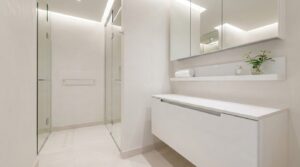
Your personal sanctuary is where each day begins and ends. This special space deserves careful attention to create the perfect atmosphere. The right illumination can transform your room into a peaceful retreat that influences your mood and helps you unwind.
Good illumination goes far beyond simply brightening a space. It creates an environment that supports calmness, elegance, and practical use in your most private area. Thoughtful choices here directly impact your well-being and quality of rest.
This space is primarily just for you, making comfort and ambiance essential. We’ll guide you through layering techniques, fixture selection, and practical installation steps. You’ll learn how to achieve the perfect balance for your personal haven.
Our comprehensive approach will help you create a retreat that reflects your unique style. You’ll discover how strategic illumination promotes tranquility while adding a touch of sophistication to your home environment.
Key Takeaways
- Your personal space deserves illumination that supports both relaxation and daily function
- Thoughtful lighting choices directly impact your mood and quality of rest
- Layering different light sources creates depth and flexibility in your environment
- The right fixtures can add sophistication while maintaining comfort
- Strategic placement helps create a peaceful atmosphere for unwinding
- Personal style should guide your lighting decisions for a space that feels truly yours
- Practical installation steps ensure your lighting works beautifully for your needs
Introduction: Transforming Your Bedroom into a Serene Retreat
This personal haven offers more than just a place to rest your head. It becomes your escape from daily pressures, a true sanctuary where you recharge and find peace. The right illumination choices can completely transform this area into a multifunctional oasis.
Strategic illumination creates a safe haven atmosphere that supports various activities. From reading corners to meditation spaces, each area benefits from thoughtful planning. Your private retreat should accommodate relaxation, work, and leisure seamlessly.
The emotional impact of proper illumination cannot be overstated. It influences your psychological experience in profound ways. Quality rest and morning mood are directly affected by your environmental choices.
This guide will help you create your dream sanctuary through balanced approaches. You’ll learn to combine practicality with aesthetic appeal for optimal results. Different techniques work together to support changing needs throughout the day.
| Lighting Type | Primary Function | Best For |
|---|---|---|
| Ambient | General illumination | Overall atmosphere creation |
| Task | Specific activities | Reading, working, grooming |
| Accent | Highlighting features | Artwork, architectural details |
Understanding these fundamental categories helps you build layers of illumination. Each type serves distinct purposes while contributing to the whole environment. The combination creates depth and flexibility for your personal space.
The Impact of Lighting on Bedroom Atmosphere
Creating the right feeling in your retreat starts with strategic illumination choices. The atmosphere of your personal space transforms dramatically with proper planning. Multiple light sources work together to enhance both mood and functionality.
Expert designer Alex Alonso recommends a layered approach for optimal results. This method creates depth and flexibility throughout your environment.
Layering Lighting Techniques for Mood Enhancement
Alonso suggests using at least three illumination types: task, decorative, and ambient. Task illumination supports specific activities like reading. Decorative options serve as your space’s jewelry.
Ambient sources provide overall glow. Mentally dividing your room into zones helps determine placement. This strategy ensures each type complements the space visually.
Choosing the Right Light Temperature
Designer Emma Beryl Kemper favors soft white bulbs that illuminate without feeling sterile. The Kelvin rating determines the warmth or coolness of your glow.
Alonso generally stays below 2700K for an amber effect. He shares, “I love an amber glow in the bedroom. It’s a little moodier, softer, and warmer.” For spaces doubling as workspaces, 3000K is acceptable.
The right combination supports both daytime energy and evening relaxation. Your atmosphere becomes truly personalized through these careful choices.
Expert Perspectives on Lighting Solutions
Top designers share their proven strategies for achieving both functionality and beauty through smart illumination choices. Their professional insights can transform your approach to creating the perfect atmosphere in your home.
Leading experts emphasize moving beyond basic overhead options. They recommend building layers that serve different purposes throughout your space.
Designers’ Tips for Task and Ambient Lighting
Brian Brown stresses the importance of multiple light sources. He advises against relying solely on ceiling fixtures for complete illumination.
“To kick it up a notch, bedside lamps or pendants are another great layer that are crucial to function. I like to add lamps on dressers as well. It pulls light into other areas of the room and gives you a more even glow all around.”
For specific activities like reading, Alex Alonso suggests practical solutions. Arm sconces with independent controls allow personalized adjustment without disturbing others.
Recommendations for Decorative Fixtures
Alonso describes decorative elements as your space’s jewelry. These pieces should make a visual impact while complementing other features.
Consider bold chandeliers that serve as statement pieces. Sculptural table lamps add personality to nightstands. Each fixture should contribute to the overall design scheme.
Successful illumination requires thoughtful coordination between different types. Expert designers consistently recommend this layered approach for optimal results.
Bedroom Lighting Design: Key Tips and Considerations
Successful illumination schemes begin with careful consideration of your space’s unique characteristics and your personal needs. Understanding these core principles ensures your choices work together effectively.
Several factors influence your bedroom lighting plan. Room dimensions, ceiling height, and natural light availability all play crucial roles. Furniture placement and your daily activities also determine optimal fixture placement.
| Planning Factor | Key Consideration | Impact on Design |
|---|---|---|
| Room Size | Square footage and layout | Determines fixture quantity and scale |
| Natural Light | Window placement and exposure | Affects artificial light requirements |
| Daily Activities | Reading, working, relaxing | Dictates task lighting needs |
| Personal Style | Aesthetic preferences | Guides fixture selection and placement |
“The most effective illumination systems function as integrated networks rather than isolated elements. Each component should complement the others to create harmonious results.”
Your personal preferences and routines shape how you experience your space at different times. A well-planned lighting bedroom scheme reflects your personality while supporting practical needs.
Upcoming sections will explore fixture selection, scale considerations, and installation techniques. These elements bring your vision to life with both style and functionality.
Selecting Fixtures for Function and Style
Choosing the right pieces for your space is a key step. Your selections should merge daily usefulness with your unique taste. This balance creates an environment that feels both personal and practical.
Each fixture type serves a distinct role. From bedside solutions to overhead statements, options abound. Thoughtful choices ensure your room supports relaxation and activities seamlessly.
Bedside Lamps, Sconces, and Pendants
Your nightstand area needs careful consideration. Designer Christine Vroom suggests a simple rule for table lamps. Keep the scale between one-third and two-thirds of the nightstand’s width.
Leaning toward two-thirds often fills the space best. This creates a balanced look without feeling overwhelming. It’s a great starting point for your bedside setup.
Wall-mounted sconces offer an elegant alternative. They free up valuable surface area for books or a phone. Adjustable arm sconces are perfect for comfortable reading.
For a modern twist, consider a pendant light. Sleek globe pendants provide ample glow for nighttime activities. They frame the bed stylishly and save space effectively.
| Fixture Type | Best For | Space Impact |
|---|---|---|
| Bedside Lamp | Traditional look, adjustable light | Uses nightstand surface |
| Wall Sconce | Elegance, reading light, clear surfaces | Mounts on wall, space-saving |
| Pendant Light | Modern style, focused illumination | Hangs from ceiling, very space-efficient |
Chandeliers and Flush Mount Options
Overhead pieces set the room’s overall tone. Your ceiling height is the main factor here. Different options work for different spaces.
Semi-flush mount fixtures are excellent for standard ceilings. They hang close to the ceiling, creating a cozy atmosphere. This style avoids overwhelming smaller rooms.
For spaces with high ceilings, a bold chandelier makes a dramatic statement. These pieces add luxury and become a focal point. They provide bright, beautiful illumination for the entire area.
Mixing these fixtures creates a layered scheme. Pair a central chandelier with bedside pendants for visual harmony. This approach offers both flexibility and a cohesive look.
Achieving the Perfect Balance: Scale and Placement
The secret to professional-looking results lies in careful measurement and scaling. Getting proportions right ensures fixtures look intentional rather than awkward.
Every element should feel purposeful and harmonious. This mathematical approach creates visual balance throughout your personal space.
Measuring Fixture Scale and Proportions
Designer Anna Franklin recommends matching fixture size to room proportions. For large spaces with high ceilings, a statement piece like a woven rattan pendant works well.
Standard height ceilings need smaller-scale options that don’t hang too low. Designer Becky Shea has a precise method for overhead placement.
“Depending on the ceiling height, I work backwards to find my overall height,” Shea explains. “I gravitate towards a diameter that is 1/4 to 1/2 the width of the bed. There’s a lot of math that goes into design to make everything work!”
Maximizing Ceiling Height and Spatial Flow
Shea prefers overhead lighting positioned eight feet above the floor. This height creates optimal illumination without overwhelming the space.
Room size also affects bulb quantity. Fixtures with more than two or three bulbs may be too bright for smaller areas.
Proper placement ensures easy movement from the bed to other areas. It maximizes both functional coverage and spatial flow throughout your retreat.
Lighting Options for Various Bedroom Styles
Different interior aesthetics call for distinct approaches to creating the perfect atmosphere through fixtures. Your choices should complement the overall decor rather than clash with your vision.
From modern minimalism to rustic farmhouse charm, each style has unique illumination needs. The right selections enhance your space’s character while providing functional benefits.
Modern, Traditional, and Farmhouse Inspirations
Farmhouse chic often features exposed-filament bulbs that create a warm, inviting glow. Carefully shaped glasswork adds rustic charm perfect for spaces emphasizing natural materials.
For modern bedrooms, sleek pendant lights with clean lines offer minimalist sophistication. Contemporary table lamps with organic curves add interest without overwhelming streamlined aesthetics.
Traditional elegance shines through cascading chandeliers with timeless detailing. These pieces serve as beautiful statement elements that complement classic linens and furnishings.
Transitional styles like mid-century inspired chandeliers balance rustic charm with sophisticated design. Coastal glam fixtures incorporate seaside elements with shimmering finishes for beachy refinement.
Mixing styles can create visual interest—for example, pairing modern white table lamps against rich wood paneling. This approach adds contemporary contrast while maintaining cohesion.
The best illumination for your bedrooms should reflect personal preferences while harmonizing with wall colors and textiles. Your fixtures become an integral part of the room’s overall style story.
Energy Efficiency and Modern Lighting Technologies
Energy efficiency has become a crucial consideration for today’s illumination systems. Modern LED technology delivers superior performance while reducing energy costs and environmental impact.
Compared to traditional incandescent bulbs, these advanced options offer significant advantages. They provide better value over time through reduced electricity consumption.
Benefits of LED and Dimmer-Enabled Fixtures
LED fixtures boast an impressive lifespan that eliminates frequent replacements. Quality options can operate continuously for over 2000 days, providing long-term reliability.
Brightness capabilities are equally remarkable. Modern LED bulbs produce 2000 lumens or more, instantly illuminating spaces while using minimal energy.
Adjustable color temperature technology lets you choose hues that suit your mood. You can select warm amber glow for evening relaxation or cooler tones for daytime activities.
Dimmer-enabled LED fixtures provide ultimate control over brightness levels. This flexibility helps create the perfect atmosphere for any activity throughout the day.
Lowering lights signals your body that it’s time to wind down. This supports healthy circadian rhythms and prepares you for restful sleep.
Investing in energy-efficient LED options provides lasting value through reduced bills and enhanced functionality. These modern solutions adapt seamlessly to your changing daily needs.
Practical How-To Steps for Installing Bedroom Lighting
The installation phase brings your carefully planned illumination scheme to life through methodical steps. Following a structured approach ensures safety and optimal results for your personal space.
Planning Your Lighting Layout
Begin by mentally dividing your room into functional zones. Identify areas for sleeping, dressing, and reading activities. This zoning method helps determine appropriate fixture types for each area.
Measure carefully for pendant or chandelier placement. Aim for fixtures to hang approximately eight feet above the floor level. This height provides optimal illumination without overwhelming the space.
Consider both wall-mounted and freestanding options. Wall sconces save valuable surface area near the bed. Table lamps offer flexible placement for reading corners.
Installation and Independent Switch Controls
Electrical planning is crucial for functionality. Position switches near the entrance for easy access. Install separate controls on each side of the bed for individual convenience.
Independent switches allow personalized control without disturbing others. This feature is particularly valuable for reading lights and bedside lamps. It enhances both comfort and relationship harmony.
For complex installations, consult a licensed electrician. They ensure proper wiring and safety compliance. Simple plug-in options offer DIY alternatives for basic setups.
Testing completes the process. Verify all fixtures operate correctly. Confirm switches control intended lights. Expert guidance can help troubleshoot any issues during final adjustments.
Creative Ways to Enhance Bedroom Decor with Light
Beyond basic functionality, creative illumination can dramatically elevate your room’s aesthetic appeal. Thoughtful placement turns ordinary fixtures into artistic statements that transform your space.
Using Lighting to Highlight Artwork and Architectural Features
Flanking artwork above the bed with unique wall lights creates a sophisticated focal point. This technique draws attention to your favorite pieces while adding visual interest.
Recessed options prove excellent for showcasing artwork vibrancy. They maintain a clean look while creating depth and harmonious balance throughout the space.
Wall-mounted fixtures offer the advantage of illumination without occupying floor space. They provide functional light while maintaining a minimalist aesthetic perfect for modern rooms.
Mixing Ambient and Accent Lighting for Visual Impact
Combining different light types creates layered visual interest. Table lamps provide soft glow on one side while wall lights highlight architectural details.
Intricate lamp designs cast captivating shadows that add whimsy and tranquility. This approach goes beyond basic illumination to create true atmosphere.
For more creative bedroom lighting ideas, explore how professionals blend these techniques. The right combination transforms ordinary spaces into sophisticated retreats.
| Lighting Technique | Primary Benefit | Best Application |
|---|---|---|
| Wall-mounted Art Lights | Highlights artwork as focal point | Above bed or on feature walls |
| Recessed Spotlights | Clean, uncluttered appearance | Artwork illumination, architectural details |
| Decorative Table Lamps | Creates ambiance with shadow play | Bedside tables, reading nooks |
| Combined Ambient/Accent | Layered visual depth | Throughout the room for balanced effect |
Adapting Lighting for Different Times and Moods
Flexible illumination systems respond to both the clock and your emotional state. Your personal space should transform seamlessly from energizing morning glow to calming evening ambiance.
Alex Alonso emphasizes considering all daily activities beyond just sleeping. This approach creates a truly functional environment.
Adjusting Brightness for Daytime and Nighttime
During the day, adequate brightness supports productivity. For home office work with limited natural light, 3000K provides energy without feeling sterile.
As evening approaches, dimmers become essential tools. Lowering levels signals your body to wind down for restful sleep.
Bedside options need particular flexibility. They should offer enough glow for reading but dim to soft levels that won’t disturb your partner.
Seasonal and Mood-Based Lighting Adjustments
Seasonal changes affect your illumination needs. Longer summer evenings require less artificial time. Darker winter months benefit from earlier activation of warm glow.
Mood-based adjustments cater to special occasions. From uplifting morning routines to romantic evening settings, your system should adapt.
The most versatile setups include multiple fixtures on separate controls. This gives you complete flexibility throughout the day and across changing seasons.
Conclusion
With the right approach, your sleeping area can become much more than just a place to rest—it transforms into a true retreat. The principles we’ve covered help create a sanctuary that supports both relaxation and daily function.
Remember that successful illumination requires considering room proportions, ceiling height, and your personal routines. Layering different light types provides the flexibility needed throughout your day.
View these choices as an investment in your home and well-being. The right fixtures enhance both the beauty of your space and the quality of your sleep experience.
Don’t worry about achieving perfection immediately. Your personal haven can evolve as your needs change over time. Let your creativity shine while applying these practical strategies.
Your dream sanctuary awaits—a beautiful, functional space for rest and rejuvenation around your bed.