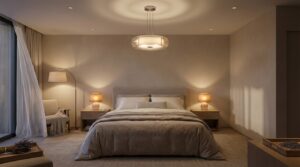
Imagine stepping into a space that feels both incredibly stylish and deeply peaceful. Your personal sanctuary should be a retreat from the busy world. This guide will show you how to capture the serene, luxurious feel of a boutique hotel right in your own home.
Creating this calming environment is all about embracing simplicity. It involves making thoughtful choices and clearing away clutter. This approach helps to quiet your mind and promotes better rest. Many people across the United States are now seeking this kind of tranquil atmosphere.
We will walk you through the entire process. You will learn about different philosophies of simplicity, how to choose the right furniture, and ways to add warmth with texture. We will also cover smart storage ideas and the importance of natural light.
Whether you are planning a full renovation or just a few subtle updates, this guide is for you. Our expert tips and real-world examples will help you achieve a space that balances clean lines with personal comfort. You can have a room that is both functional and beautiful.
Key Takeaways
- Transform your personal space into a serene, hotel-inspired retreat.
- Embrace simplicity and intentional choices to reduce clutter and stress.
- This approach has gained popularity for promoting better sleep and relaxation.
- The guide covers everything from furniture selection to maximizing natural light.
- Achieve a high-end look whether you’re doing a full remodel or small updates.
- Learn to balance clean aesthetics with personal comfort and style.
Introduction to Minimalist Bedroom Design
Transforming your room into a haven of rest begins with embracing a less-is-more mindset. This specific approach to interior design focuses on simplicity and purpose. It’s about carefully choosing what stays to create a truly calming minimalist bedroom.
This philosophy is different from other looks. It values quality over quantity. Every item in the space should have a clear function and add to the overall feeling of peace.
The core principles are easy to understand. Think clean lines, surfaces free of clutter, and soft, neutral colors. A key idea is using negative space, or empty areas, to give your eyes a place to rest.
This organized environment is great for your well-being. A clear bedroom helps reduce visual noise. This makes it easier to unwind and can lead to better, more restful sleep.
The benefits of this style are practical, too. It’s simpler to keep tidy, which lowers daily stress. The look is sophisticated and timeless, never feeling busy or outdated.
The best part? You can adapt these ideas to fit your taste. Your personal sanctuary can range from very simple to a cozier version that still feels open and calm.
Understanding the Minimalist Lifestyle in the Bedroom
Adopting a minimalist approach to your personal space goes far beyond simple aesthetics—it’s a lifestyle choice that prioritizes intentional living. This philosophy values experiences and functionality over material possessions.
Exploring Different Minimalism Approaches
Minimalism means different things to different people. An austere interpretation might feature just a mattress on the floor. This extreme approach eliminates nearly all items from your living area.
A moderate version creates a true minimalist bedroom with white walls, bare windows, and basic furniture. Think simple bed frames, nightstands, and essential lighting.
Casual minimalism offers more flexibility. It allows for area rugs, dressers, and wall art while maintaining a limited color palette. The focus remains on essential things that add value.
Austere vs. Casual Minimalism
The austere method represents the most disciplined interpretation. It strips away everything non-essential, creating stark simplicity.
Casual minimalism feels more lived-in and comfortable. It balances clean aesthetics with personal touches that make the space feel like home.
Your personal approach should align with your lifestyle needs rather than rigid rules. The best way embraces minimalism that works for you—eliminating clutter while maintaining comfort.
Essential Elements of a Minimalist Bedroom
Creating a peaceful environment requires focusing on purposeful elements that enhance tranquility. Start with three core pieces: a quality bed frame, smart storage solutions, and one or two functional accents. These form the foundation of your serene retreat.
Every item in your bedroom should serve a clear purpose. Choose pieces that contribute to the overall aesthetic without adding visual clutter. This intentional approach keeps the space feeling light and open.
Scale and proportion matter greatly when selecting furniture. Ensure each piece fits comfortably in your room without overwhelming the available area. Proper sizing creates natural flow and balance.
Negative space—the empty areas around your furnishings—is equally important. These open zones allow the eye to rest and prevent the design from feeling crowded. Think of emptiness as an active element in your layout.
The concept of “enough” is central to this approach. Include everything you need for comfortable living, but nothing more. Your personal sanctuary should feel complete without being cluttered.
Remember that essential elements vary by individual needs. A reading enthusiast might require a comfortable chair, while others may not. The goal is harmonious integration where all pieces work together intentionally.
Curating a Clean and Neutral Color Palette
When crafting a calming environment, your color choices serve as the visual foundation for the entire space. A neutral palette typically features whites, creams, grays, and soft earth tones. These hues create a serene backdrop that promotes relaxation.
Neutral color schemes have a positive psychological impact. They reduce visual stimulation, allowing architectural details and textures to shine. You can create depth by layering different shades within the same color family.
Not every space needs to be entirely neutral. Designer Tobias Petri uses deep navy accents against a light backdrop for striking contrast. Augusta Hoffman demonstrates how painting just the trim creates maximum impact with minimal effort.
A solid wash of color, like cobalt blue, can feel equally streamlined when applied thoughtfully. For graphic interest, try color-blocking—assigning specific hues to different room portions. This technique maintains clean aesthetics while adding personality.
When selecting paint for your walls, choose finishes that enhance natural light. Lighter shades make spaces feel larger and serve as versatile backdrops. Your chosen palette should reflect personal taste while maintaining the uncluttered aesthetic central to this approach.
Selecting Ideal Minimalist Bedroom Furniture
Furniture selection is where your vision for a calm retreat becomes a reality. Start with the essential pieces: a comfortable bed, simple nightstands, and adequate lighting. Many people successfully store all clothing in their existing closet.
A dresser can absolutely serve a practical purpose, especially with limited storage. Choose one with clean lines that complements your space. The top surface must remain clear to prevent clutter accumulation.
Consider how your eye moves through the room. Designer Marie Flanigan achieves harmony using tailored furniture with similar low profiles. This creates subtle visual interest without chaos.
For an even lighter feel, explore “invisible” options. Lucite or acrylic nightstands or a chair provide function while seeming to disappear. They maintain an open, airy atmosphere.
Quality wood furniture offers warmth and durability. Look for simple silhouettes in natural or painted finishes. These pieces anchor the room beautifully.
Always measure your space before purchasing any bed or other large item. Proper scale ensures everything fits comfortably. Your selections should contribute to both visual flow and daily functionality.
Emphasizing Texture and Lighting in Your Space
The true magic of a serene space lies in the thoughtful interplay of texture and lighting. These elements add depth and warmth where color and pattern are limited. They transform a potentially stark environment into a welcoming retreat.
Using Subtle Textures Effectively
Texture becomes critically important in spaces with limited color palettes. It adds tactile interest without visual clutter. Consider how Home Studios used a shaggy sheepskin throw to prevent all-white bedding from feeling sparse.
Studio Diaa demonstrates another approach with planked walls in whitewashed pine. This integrates texture directly into the architecture. The result creates subtle visual interest that whispers rather than shouts.
Layer different materials within the same color family. Combine linen bedding with wool rugs and natural wood grains. This creates dimension through smooth, rough, soft, and hard surfaces.
Choosing Ambient Lighting
Soft, diffused lighting creates a calming atmosphere in any space. It enhances the serene quality of your environment. Ambient lighting should feel gentle and inviting.
Consider recessed fixtures or pendant lights with simple shades. Table lamps with dimmer switches offer control over mood and functionality. Strategic placement can highlight architectural features on your walls.
Avoid harsh overhead lighting that creates sharp shadows. Instead, use multiple soft sources to ensure adequate illumination. The right texture and lighting combination makes any space feel warm and complete.
Creating Visual Interest with Art and Accents
Art and accessories serve as the finishing touches that transform a simple room into a personal sanctuary. Each carefully chosen piece should earn its place through beauty or function. This approach creates meaningful visual interest without clutter.
Designer Ashe Leandro demonstrates how fresh flowers and bedside books add personality. These simple elements keep spaces feeling current without overwhelming the calm atmosphere. They provide bright pops of color that feel intentional.
An all-white room actually offers the perfect canvas for bold artistic statements. In one Hamptons home, a large abstract painting by Richard Aldrich creates dramatic interest on a blank wall. This proves that simplicity doesn’t mean boring.
Sometimes less presentation creates more impact. Designer Elaine Santos hangs a landscape piece unframed and unadorned. The simplicity of this approach lets the art speak for itself.
For alternative options, consider textured works like macramé. Erin Roberts Design shows how fiber art above a headboard adds warmth. These pieces introduce texture while maintaining clean principles.
When selecting decorative elements, focus on simple compositions and limited color palettes. Choose one or two impactful pieces rather than many smaller items. Your accessories should reflect your personality while supporting the overall serene aesthetic.
Maximizing Space with Clutter-Free Storage Solutions
Effective storage solutions form the backbone of any truly organized living space. The key to achieving a clean aesthetic is managing your possessions thoughtfully. Smart approaches to storage help maintain visual harmony throughout your room.
Hidden Storage Ideas
Built-in compartments offer excellent ways to conceal everyday items. Consider bed frames with drawers underneath for linens or seasonal clothing. These solutions maximize your available space while keeping surfaces clear.
Designer Karin Meyn demonstrated how partitions can blend seamlessly with surroundings. Her Amsterdam home features storage walls that reduce visual clutter. This approach creates functional storage without disrupting the room’s flow.
Other concealed options include ottomans with hidden compartments and built-in closet systems. Each piece of furniture should serve dual purposes when possible. The goal is finding creative ways to hide necessary items.
| Storage Type | Best For | Pros | Cons |
|---|---|---|---|
| Under-bed drawers | Seasonal items, linens | Maximizes unused space | Limited accessibility |
| Storage ottomans | Blankets, pillows | Multi-functional furniture | Smaller capacity |
| Built-in partitions | Major storage needs | Customizable, seamless | Requires construction |
| Hidden closet systems | Clothing organization | Maximizes vertical space | Can be expensive |
Regular Tidying Practices
Daily habits are crucial for maintaining an organized environment. Simple routines like making your bed each morning create immediate visual order. Putting clothes away immediately prevents clutter from accumulating.
Schedule periodic decluttering sessions to reassess your possessions. Donate items that no longer serve your current lifestyle. This practice ensures your storage systems remain effective over time.
Quick surface clears throughout the day help maintain the calm atmosphere. The principle of “a place for everything” guides these daily efforts. Consistent tidying makes deep cleaning much simpler.
Minimalist Bedroom vs. Traditional Bedroom: A Comparative Look
Choosing between a minimalist and traditional bedroom style is like choosing between a quiet sanctuary and a cozy library. Each approach creates a completely different atmosphere through furniture choices, color schemes, and decorative elements.
Traditional bedrooms often feature multiple furniture pieces like dressers, vanities, and seating areas. In contrast, a minimalist bedroom focuses only on essential items. This creates more open space and visual breathing room.
Color palettes reveal another key difference. Traditional spaces might use multiple colors, patterns, and busy wallpapers. A minimalist space typically embraces neutral, monochromatic schemes that promote calm.
Accessories tell a similar story. Traditional bedrooms often display collections and multiple decorative objects. The minimalist approach features carefully curated, limited accents that make each piece meaningful.
These differences create distinct psychological impacts. The minimalist style promotes tranquility and easy maintenance. Traditional bedrooms create cozy, collected atmospheres with more visual complexity.
Even window treatments differ significantly. Traditional spaces might have layered curtains and elaborate drapery. Minimalist bedrooms often feature simple panels or bare windows to maximize light.
Storage visibility represents another contrast. Traditional approaches may include open shelving with displayed items. The minimalist philosophy prioritizes hidden storage and clear surfaces.
Neither approach is inherently superior. The best choice depends on your personal preferences and lifestyle needs. Many homeowners successfully blend elements from both bedroom designs.
You can incorporate minimalist principles while maintaining traditional comfort. The goal is creating a space that makes you feel most comfortable and relaxed.
Exploring the Role of Windows and Natural Light
Your windows are the gateway to transforming your personal retreat with natural light. They provide essential illumination, a connection to the outdoors, and a powerful sense of spaciousness. This makes them perhaps the most valuable assets in your serene space.
Think of a Manhattan penthouse where pure white walls deliberately avoid distracting from stunning views. The exterior landscape seamlessly becomes part of the interior design. This approach allows the world outside to enhance the calm inside.
Abundant sunlight eliminates the need for multiple artificial sources during the day. This perfectly supports a philosophy of requiring less while enjoying more. The quality of light also guides color choices.
Capitalizing on Abundant Natural Light
South-facing windows allow for cooler color tones, while north-facing rooms benefit from warmer hues. It’s important to consider privacy needs without sacrificing light. Solutions should maintain a clean aesthetic while providing necessary seclusion.
Window treatment options range from completely bare windows to simple roller shades or sheer panels. These options maximize light and views while offering flexibility. The frames and shapes of the windows themselves can become artistic focal points.
Designer Sarah Solis uses a clever strategy with large-scale mirrors. Placing one strategically reflects illumination throughout the room. This makes the space feel larger and brighter without adding furniture.
Maximizing natural light offers tremendous benefits. It reduces energy consumption and improves mood. The overall feel is one of openness and a strong connection to nature.
| Treatment Option | Light Level | Privacy Level | Best For |
|---|---|---|---|
| Bare Windows | Maximum | Low | High floors, private views |
| Sheer Panels | High (Diffused) | Medium | Softening light, daytime privacy |
| Roller Shades | Adjustable | High | Total control, urban settings |
Highlighting Architectural Features for Impact
Sometimes the most powerful design statement comes from the building’s inherent structure itself. Architectural elements like high ceilings or unique windows can become the main attraction. This approach creates visual interest without adding clutter.
Designer Elaine Santos demonstrates this beautifully. She uses oversized lighting to emphasize tall ceilings. A tiered chandelier draws the eye upward, making the vertical space feel even more dramatic.
Consider a lighthouse where the architecture provides all the character needed. The building’s form becomes the decoration. This shows that letting the space speak for itself creates authentic impact.
Hilary Walker and Ashley Maddox showcase another way. They leave geometric windows unadorned behind the bed. These midcentury details become focal points in the interior.
| Architectural Feature | Enhancement Method | Visual Impact |
|---|---|---|
| High Ceilings | Oversized lighting, vertical lines | Creates grandeur and spaciousness |
| Exposed Beams | Strategic lighting, contrasting paint | Adds texture and rustic character |
| Unique Windows | Leave unadorned, frame with molding | Becomes artistic focal point |
| Original Floors | Keep visible, use area rugs sparingly | Showcases craftsmanship and history |
You can highlight existing features through simple techniques. Paint crown molding in a contrasting color. Use lighting to cast shadows that accentuate textural details.
This architectural approach is sustainable too. It reduces the need for additional decor. Your interior gains character from the building’s own beauty.
Incorporating Headboards and Bedding for a Chic Statement
Your bed serves as the undeniable centerpiece of your personal retreat, where headboard and bedding choices create powerful style statements. These elements define the space without requiring additional decor.
Mark Grattan’s Art Deco-inspired striped bed frame offers dynamic visual interest while maintaining a grayscale palette. Cochineal Design uses a swooping, scalloped headboard that provides architectural flair without consuming extra floor space.
For an ultra-streamlined approach, South African architects Silvio Rech and Lesley Carstens keep the bed on the floor paired with draping linen bedding. This creates a chic, grounded aesthetic. Alternatively, Ishka Designs repurposes carved Moroccan doors as a headboard, creating a stunning focal point.
Fiona Lynch demonstrates that headboards aren’t essential. Her space features an enticing bed piled high with linen. The feel is luxurious through fabric quality rather than abundance.
| Approach | Key Feature | Best For |
|---|---|---|
| Statement Headboard | Architectural interest | Adding personality without clutter |
| Floor Bed | Grounded aesthetic | Ultra-streamlined spaces |
| Linen Focus | Texture-rich simplicity | Comfort without visual noise |
| Luxe Coverlet | Single-layer luxury | Hotel-inspired elegance |
Choose neutral tones and natural fabrics like linen for your bedding. A quality blanket or duvet creates comfort without excessive pillows. The right texture and simple presentation make your sleeping area both beautiful and practical.
Inspirations from Boutique Hotel Bedroom Designs
Professional designers working with boutique hotels understand that true luxury lies in thoughtful simplicity. They create spaces that feel both curated and comfortable. This approach translates beautifully to home bedroom ideas.
Consider Tobias Petri’s Austrian mountain chalet. He used simple wood paneling to create warmth without heavy drapery. This natural material approach elevates interior design while maintaining serenity.
Eddie Maestri’s 1931 Tudor home showcases another brilliant technique. An inset arch nook makes the bed the star attraction. This architectural feature creates boutique hotel style in residential spaces.
Studio Plow’s San Francisco townhouse demonstrates casual elegance. Creamy walls, breezy drapery, and pooling linens create informal luxury. This bedroom designed for relaxation embodies hotel-inspired comfort.
Successful boutique hotels share common elements that you can incorporate:
| Hotel Element | Home Application | Benefit | Implementation Tip |
|---|---|---|---|
| Quality Mattresses | Invest in sleep comfort | Better rest | Choose supportive, durable materials |
| Strategic Lighting | Layered light sources | Mood control | Use dimmers and bedside lamps |
| Edited Color Palette | Neutral foundations | Visual calm | Stick to 2-3 complementary tones |
| Minimal Furniture | Only essential pieces | Spacious feel | Measure before purchasing |
| Crisp Bedding | High-quality linens | Luxurious touch | White or neutral tones work best |
These bedroom ideas create a personal retreat that feels special daily. The right interior design choices transform your space into a sanctuary. Your minimalist bedroom can offer boutique hotel comfort every night.
Focus on how each element affects your relaxation. This designer mindset ensures your bedroom designed for peace truly delivers. The result is a minimalist bedroom that elevates your quality of rest.
Embracing Minimalist Bedroom Design Trends in the United States
Across the United States, a quiet revolution is reshaping how we approach our personal sanctuaries. Regional variations beautifully reflect local lifestyles while maintaining core principles of simplicity. This creates a minimalist space that feels both universal and uniquely American.
In urban areas where square footage is precious, these ideas become practically necessary. An uncluttered bedroom maximizes small areas while promoting calm. This efficient approach blends aesthetics with everyday functionality.
American interior design professionals skillfully adapt Scandinavian and Japanese influences. They balance simplicity with comfort and personal expression. The result is a distinctly domestic interpretation of global ideas.
Current color trends show a shift toward warmer neutrals. Terracotta, clay, and warm grays now complement traditional cool whites. This evolution adds emotional warmth to minimalist bedroom environments.
Sustainability is increasingly important in American bedrooms. Consumers choose fewer, higher-quality pieces made from natural materials. This conscious approach aligns with the philosophy of intentional living.
Technology integration presents creative challenges. Designers develop solutions to hide necessary devices while maintaining functionality. The goal is preserving the serene atmosphere of the space.
Regional ideas showcase beautiful diversity. California emphasizes indoor-outdoor connections. The Northeast favors cozy minimalist space for colder climates. The Southwest incorporates desert-inspired color palettes.
Emerging movements like “warm minimalism” add texture and organic elements. Another trend, “maximalist minimalism,” creates impact through one bold statement. These innovations keep American interior design dynamic and evolving.
Innovative Decor Ideas for Enhancing Minimalism
Honey-toned wood brings natural warmth to even the most streamlined interior. This approach creates a welcoming space without adding visual complexity. The material’s texture provides subtle interest without overwhelming the serene atmosphere.
Creative furniture solutions can transform your room. Consider a circular suspended bed that clears the floor and mimics architectural shapes. Such pieces function as practical art in spaces with limited wall area.
Lower mattress heights create a grounded, intimate feeling that many enthusiasts prefer. This profile contributes to the streamlined aesthetic while maintaining comfort. Your sleeping area feels more connected to the overall space.
Strategic material choices make a significant impact. Suede wall coverings add luxurious texture without pattern. Light grays paired with bright whites create depth within a neutral palette. These techniques enhance the home environment subtly.
Architectural elements like box molding painted the same color as walls add dimension. For personal touches, display collections with spines turned inward to reduce visual clutter. This allows for reading materials without compromising the clean aesthetic.
Your bedding and lighting should prioritize quality over quantity. Simple arrangements with quality fabrics create luxury through texture. The right balance makes your personal sanctuary feel both peaceful and personally meaningful.
Conclusion
Embracing simplicity in your sleeping quarters transforms them from just a room into a true sanctuary. This approach isn’t about deprivation but about curating a space filled only with items that serve you well.
Remember that your personal bedroom should reflect your individual needs. Whether you prefer austere simplicity or a more casual approach, the key is intentional selection. Start with decluttering, then gradually add back only essential pieces.
This design philosophy is an ongoing practice that brings real benefits. You’ll enjoy better sleep, reduced stress, and easier maintenance. For more inspiration on creating your perfect retreat, explore these minimalist bedroom design ideas.
Your home deserves a peaceful haven. Begin your transformation today and create a sanctuary that supports your well-being every day.