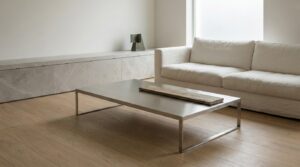
Minimalist decor creates rooms that feel expansive and intentional, where every piece serves a purpose. When done well, it achieves a high-end look like luxury boutique hotels without the pretense. The key is choosing the right textures, proportions, and materials while keeping a sense of order. These ideas help homeowners blend modern sophistication with simplicity.
Master Crafted Home specializes in helping homeowners achieve this balance through thoughtful design choices that prioritize quality over quantity. Whether renovating a single room or reimagining your entire home, minimalist design can transform your space into a calm, sophisticated environment.
At a Glance
- Focus on quality over quantity: Invest in fewer, high-end pieces rather than filling spaces with disposable decor.
- Embrace neutral palettes: Whites, beiges, grays, and blacks create a clean foundation for elegant simplicity.
- Prioritize texture and material: Layered fabrics, natural wood, and matte metals add depth without clutter.
- Declutter first: Minimalism begins with removing the unnecessary before adding the beautiful.
- Balance form and function: Every piece should serve a purpose while contributing to the overall aesthetic.
Why Minimalist Decor Elevates Your Home’s Luxury
Minimalist decor has long been linked with luxury interiors, from Scandinavian design to Japanese aesthetics. Unlike maximalist styles that demand attention, minimalism creates calm and order that feels inherently high-end. A 2025 study by the American Home Furnishings Alliance found that 68% of homeowners associated minimalist interiors with exclusivity and refinement, while 82% felt more relaxed in spaces with fewer visual distractions.
For DIY homeowners, minimalism offers a practical path to luxury without expensive spending. A January 2025 New York Times report showed minimalist decor trends grew 40% in two years, driven by demand for sustainable, low-maintenance lifestyles. This approach doesn’t require marble countertops or crystal chandeliers—just curated spaces where each element feels intentional and valuable.
Compare a cluttered coffee table to one with a single sculptural vase or a stack of art books. The latter signals sophistication immediately, while the former suggests a lack of restraint. Minimalist decor lets your home’s architecture and craftsmanship stand out, creating a curated yet comfortable environment.
Start with a Neutral Color Palette: The Foundation of Elegant Simplicity
Neutral colors are essential in minimalist decor, providing a clean slate that enhances natural light and highlights architectural features. A 2024 report from the Paint Quality Institute found rooms painted in whites, creams, and soft grays appear 25% larger than those with bold colors. For a high-end look, choose warm neutrals like Benjamin Moore’s “White Dove” or Sherwin-Williams’ “Alabaster”, which add warmth without dominating the space.
When selecting a neutral palette, consider these guidelines:
- Walls and ceilings: Use matte or eggshell finishes in white, beige, or light gray to create continuity. Glossy paints can feel too commercial unless used intentionally as an accent.
- Furniture: Choose upholstery in natural linens, wool, or leather in neutral tones. Avoid patterns unless they are subtle textures like herringbone or pinstripes.
- Flooring: Hardwood floors in light or medium tones (oak or ash) work best. For rugs, pick solid colors or geometric patterns with muted tones.
To prevent a “sterile” look, add warmth through wood tones in furniture or accessories. A walnut side table or jute rug can break up neutrality while maintaining cohesion. The goal is harmony where each element feels part of a larger whole.
For room-specific applications, see our guide on Minimalist Living Room Ideas Design Tips For A Clutter Free Home.
The Psychology Behind Neutral Palettes
Neutral colors influence mood and perception. According to the American Psychological Association, neutral tones like beige and gray evoke stability and sophistication, while whites create a sense of spaciousness. Bold colors can feel overwhelming in large amounts. For a high-end minimalist home, neutrals provide the perfect backdrop for serenity and invitation.
Invest in High-Quality Materials: Where Minimalism Meets Craftsmanship
Minimalist decor celebrates craftsmanship and longevity. High-end minimalist homes prioritize materials that age well, such as solid wood, stone, and metals like brass or matte black steel. These add texture and depth while signaling quality to visitors.
When choosing materials, consider these recommendations:
| Material | Best For | High-End Look |
|---|---|---|
| Solid wood (oak, walnut, ash) | Furniture, shelving, flooring | Natural grain, matte finishes, custom joinery |
| Stone (quartz, marble, travertine) | Countertops, flooring, accent walls | Polished or honed finishes, veining as a subtle focal point |
| Metal (brass, matte black steel, brushed nickel) | Lighting, hardware, fixtures | Minimalist silhouettes, patina development over time |
| Glass (frosted, clear, textured) | Furniture, shelving, room dividers | Frameless designs, subtle textures |
| Fabric (linen, wool, leather) | Upholstery, bedding, window treatments | Natural textures, neutral tones, tailored silhouettes |
A luxury minimalist chair might have a walnut frame with cream wool upholstery, while a side table could combine matte black steel legs with a honed marble top. The contrast between these materials creates visual interest without compromising minimalism.
Avoid materials that feel flimsy, like particleboard furniture or synthetic fabrics that pill. Instead, choose solid construction and natural fibers that develop patina over time, adding character. For more on high-end furniture, read our guide on Best Furniture for a Timeless Minimalist Home: Expert Guide.
Why Material Quality Matters in Minimalism
In minimalist design, every material choice should serve both aesthetic and functional purposes. A 2025 study by the International Interior Design Association found that 73% of homeowners who invested in high-quality materials reported higher satisfaction with their minimalist spaces. Well-crafted materials look better and feel better to touch and interact with. A wool sofa cushion molds to your body over time, while a cheap synthetic alternative stays stiff. A solid wood dining table develops a unique patina with age, adding to its story.
Furniture Selection: Less Is More, But It Must Be Right
Minimalist furniture features clean lines, uncluttered silhouettes, and functionality. The goal is selecting pieces that serve a purpose while contributing to the overall aesthetic. For newcomers, this can feel daunting—how do you avoid a barren, unwelcoming space? The answer is intentionality: every piece should provide storage, seating, or a focal point.
Consider these principles when selecting minimalist furniture:
- Scale and proportion: Choose furniture that fits the room without overwhelming it. A large sectional may feel cozy in a living room but dominate a small bedroom.
- Multi-functional design: Look for pieces that serve multiple purposes, such as a storage ottoman or a sofa bed.
- Legs and supports: Furniture with exposed legs (like sofas or chairs) creates lightness and openness. Avoid bulky bases that make a room feel heavy.
- Customization: Tailored pieces that fit your space perfectly elevate the high-end feel. Consider built-ins or custom cabinetry for a seamless look.
A custom built-in shelving unit can replace multiple freestanding pieces while providing storage and display space. A platform bed with integrated storage eliminates the need for a separate nightstand, keeping the room clutter-free.
When shopping for minimalist furniture, prioritize brands that emphasize craftsmanship and material transparency. Look for certifications like FSC (Forest Stewardship Council) for wood or OEKO-TEX for textiles to ensure sustainable, high-quality pieces.
For bedroom inspiration, see our guide on High End Minimalist Bedroom Decor Ideas For Modern Homeowners.
Common Minimalist Furniture Mistakes to Avoid
Even with good intentions, it’s easy to make mistakes when selecting minimalist furniture. Watch for these pitfalls:
- Over-reliance on filler pieces: Avoid adding unnecessary furniture like side tables or console tables just because the room “needs” them. If a piece doesn’t serve a purpose, it likely doesn’t belong.
- Ignoring comfort: Minimalism doesn’t mean sacrificing comfort. A hard, angular chair may look sleek, but if it’s uncomfortable, it won’t last.
- Choosing form over function: A sculptural coffee table might start conversations, but if it doesn’t provide storage or stability, it may not be practical.
- Sacrificing quality for price: A $200 sofa might save money upfront, but it could sag or lose shape within a year. Invest in pieces that will last.
Layer Textures to Add Depth Without Clutter
One misconception about minimalist decor is that it must be flat or sterile. In reality, texture is essential for warmth and invitation. Layer textures thoughtfully so each addition enhances the overall aesthetic rather than competing with it.
Ways to incorporate texture:
- Fabric: Layer wool or cashmere throws over a linen sofa. Add a jute or wool rug to ground the space and add warmth.
- Wood: Introduce wood tones through furniture, shelving, or accessories. A reclaimed wood dining table or walnut sideboard adds organic warmth.
- Metal: Use matte black, brass, or copper accents for hardware, lighting, or decorative objects. These add subtle shine without overwhelming.
- Stone and ceramic: A marble countertop, travertine backsplash, or ceramic vase introduce natural variations in color and pattern.
- Paper and fibers: Washi paper lampshades, linen curtains, or a rattan basket add tactile interest while maintaining neutrality.
A living room might feature a cream wool sofa, jute rug, walnut coffee table, and brass floor lamp. Each piece adds texture and warmth within a neutral scheme. The contrast between soft wool, rough jute, smooth wood, and shiny brass creates harmony and dynamism.
For dining room texture ideas, see our guide on Minimalist Dining Room Design For Timeless Entertaining.
The Science of Texture in Minimalist Spaces
Texture affects sensory experience. According to a 2024 study by the Sensory Processing Disorder Foundation, humans process texture through touch and sight, and layered textures enhance feelings of comfort and security. In minimalist spaces, where visual clutter is minimized, texture becomes critical for coziness and depth. This is why Scandinavian design, emphasizing hygge, often incorporates multiple textures.
For homeowners worried about a “too sterile” look, textures soften minimalism’s edges while keeping its core principles.
Strategic Lighting: The Unsung Hero of Minimalist Elegance
Lighting can make or break a minimalist space. Poor lighting leaves rooms cold or uninviting, while well-planned lighting enhances architecture and highlights key features. For a high-end minimalist look, prioritize natural light first, then add layered artificial lighting.
Approach minimalist lighting this way:
- Natural light: Maximize it with sheer curtains or blinds that open fully. Avoid heavy drapes that block light.
- Ambient lighting: Use recessed lighting or flush-mount fixtures for general illumination. Choose fixtures with clean lines and minimal ornamentation.
- Task lighting: Add focused lighting for specific tasks, like a swing-arm wall sconce for reading or a pendant light over a dining table.
- Accent lighting: Highlight architectural features or art with spotlights or picture lights. This draws attention without adding clutter.
- Dimmable lighting: Install dimmer switches to adjust room mood. Soft, warm lighting feels cozy; bright lighting energizes.
A minimalist living room might have a large window with sheer linen curtains, a matte black flush-mount ceiling fixture, and brass wall sconces flanking the sofa. The sconces provide task lighting for reading; the ceiling fixture offers ambient light. Dimming the lights creates a more intimate atmosphere for guests.
For hallway lighting ideas, see our guide on Hallway Design Ideas For Clean And Elegant Flow.
Lighting Fixtures That Elevate Minimalist Spaces
Not all lighting fixtures are equal. For a high-end minimalist look, prioritize fixtures that are:
- Sculptural: Fixtures with interesting shapes or materials, like a marble pendant or brass arc floor lamp.
- Minimalist: Clean lines and uncluttered silhouettes, like a cylinder pendant or linear suspension light.
- Functional: Fixtures that serve purposes beyond illumination, like a mirror with integrated lighting or a sconce with a shelf.
Avoid fixtures with excessive ornamentation or busy patterns that detract from minimalism. Instead, choose pieces that feel like works of art themselves.
Declutter Ruthlessly: The Minimalist’s First Step
Minimalist decor starts with decluttering. Before adding anything new, remove the unnecessary. This doesn’t mean stripping your home bare—curate belongings to include only what you love, use, or need. For many homeowners, this process feels overwhelming, but the result is a space that feels lighter, more intentional, and inherently luxurious.
Follow these steps to declutter:
- Start with one room at a time: Tackling an entire home at once feels daunting. Begin with a single room, like the living room or bedroom.
- Sort into categories: Create piles for items to keep, donate, sell, or discard. Be honest about what you truly need or use.
- Use the “one in, one out” rule: For every new item you bring in, remove an old one. This prevents clutter from accumulating.
- Focus on surfaces: Keep countertops, tables, and shelves clear of unnecessary items. Only display meaningful or functional pieces.
- Store strategically: Use hidden storage like built-ins or under-bed drawers to keep clutter out of sight.
If struggling to let go, try the “emotional value” test: ask if the item sparks joy or serves a purpose. If not, it may be time to release it. The goal isn’t emptiness but a curated, intentional home.
For hidden storage ideas, see our guides on Hidden Storage Solutions For Minimalist Homes and Hidden Storage Solutions For Minimalist Bathrooms.
The Psychological Benefits of Decluttering
Decluttering affects mental well-being. A 2025 study by the American Psychological Association found clutter increases stress and reduces focus. A clean, organized space promotes calm and control. For homeowners creating a high-end minimalist home, decluttering is the first step toward visual and emotional harmony.
Curate Art and Accessories: Less Is More, But It Must Be Intentional
Art and accessories are the finishing touches that bring minimalist spaces to life. Curate pieces that resonate with you and contribute to the overall aesthetic without overwhelming the room. For a high-end look, prioritize quality over quantity and choose pieces that feel like intentional investments rather than afterthoughts.
Curate art and accessories this way:
- Artwork: Select pieces with clean lines, neutral tones, or subtle textures. Large-scale art can serve as a focal point; smaller pieces can be grouped in odd numbers (three or five) for a curated look.
- Sculptures and objects: Choose objects with interesting forms or materials, like a ceramic vase, brass sculpture, or stone bookend. Avoid cluttering surfaces with too many small items.
- Books: A stack of art books or a single sculptural bookend can add personality to a shelf without overwhelming it.
- Plants: A single statement plant, like a fiddle-leaf fig or snake plant, adds life. Use neutral planters to maintain cohesion.
- Mirrors: A large mirror reflects light and creates the illusion of space. Choose a frame with clean lines or a frameless design.
A minimalist bedroom might feature a single large-scale abstract painting above the bed, a ceramic vase on the nightstand, and a stack of books on a floating shelf. The simplicity draws attention to the art and objects while keeping calm.
For living room art and accessory ideas, see our guide on Minimalist Living Room Design Creating Space That Feels Both Serene And Sophisticated.
The Role of Negative Space in Art Curation
Negative space—the area around and between objects—is critical in minimalist art curation. According to Elle Decor experts, negative space lets art and accessories breathe, creating balance and harmony. On a gallery wall, leave ample space between pieces to avoid clutter. A single large-scale artwork can have more impact than multiple smaller pieces when given room to stand out.
Incorporate Natural Elements for a Timeless Connection
Natural elements define high-end minimalist design, adding warmth, texture, and connection to outdoors. From wood and stone to plants and organic textiles, these elements ground a space in authenticity and craftsmanship. For homeowners wanting to elevate minimalist decor, natural materials reliably achieve luxurious yet understated looks.
Ways to bring natural elements into your home:
- Wood: Use wood for furniture, flooring, or accessories. Choose natural finishes or stains that highlight the grain, like oak, walnut, or teak.
- Stone: Incorporate stone in countertops, flooring, or accent walls. Materials like marble, travertine, or slate add permanence and elegance.
- Plants: Add greenery with low-maintenance plants like snake plants, pothos, or olive trees. Use neutral planters to maintain cohesion.
- Textiles: Choose natural fibers like linen, wool, jute, or cotton for rugs, curtains, and upholstery. These add warmth and texture without compromising minimalism.
- Water features: A small tabletop fountain or wall-mounted feature introduces soothing water sounds, enhancing tranquility.
A minimalist bathroom might have a honed marble vanity, teak stool, and woven jute rug. Stone and wood create a spa-like atmosphere; the jute rug adds warmth. A living room might include a walnut coffee table, wool sofa, and fiddle-leaf fig for balance and invitation.
For more on natural elements, see our guide on Ceiling Design Ideas For Subtle Architectural Luxury, which includes using wood and stone for ceiling treatments.
The Health Benefits of Natural Materials
Beyond aesthetics, natural materials improve health compared to synthetics. According to the U.S. Environmental Protection Agency, materials like solid wood, stone, and wool improve indoor air quality by reducing VOCs and off-gassing. Natural fibers like linen and cotton are breathable, enhancing comfort in upholstery and bedding. For health-conscious homeowners, natural elements in minimalist decor benefit both style and well-being.
Create Focal Points: Subtle Drama in a Minimalist Space
Minimalist decor doesn’t mean sacrificing drama—it means creating focal points that feel intentional and sophisticated. A well-placed focal point draws the eye and adds depth without clutter. For a high-end look, focal points should feel like curated moments rather than forced statements.
Ways to create focal points:
- Architectural features: Highlight existing elements like a fireplace, large window, or vaulted ceiling. Use lighting or art to draw attention.
- Statement furniture: Choose one standout piece, like a sculptural sofa, unique dining table, or custom shelving unit. Let it anchor the room.
- Artwork: Hang a large-scale artwork above a sofa or bed to create drama. Pick a piece with bold lines or neutral palette for cohesion.
- Lighting: Install a statement fixture like a chandelier, pendant, or floor lamp. Choose clean lines and interesting materials.
- Textiles: Use a bold rug or textured throw as a focal point on a sofa or bed. Keep the rest neutral to let it stand out.
A minimalist bedroom might feature a large-scale abstract painting above the bed, with the rest kept neutral to spotlight the art. A living room might use a sculptural sofa as the focal point, complemented by a single large artwork and statement floor lamp.
For dining room focal point ideas, see our guide on Minimalist Dining Room Design For Timeless Entertaining.
The Psychology of Focal Points
Focal points influence how we perceive and interact with spaces. A 2025 study by Architectural Digest found well-placed focal points reduce overwhelm by giving the eye a place to rest. In minimalist spaces where visual clutter is minimized, focal points provide order and intentionality. For homeowners creating high-end minimalist homes, focal points are the secret to style and substance.
Minimalist Decor on a Budget: Achieving High-End Looks Without the Price Tag
Minimalist decor is versatile and achievable on any budget. Homeowners who love the high-end look but watch costs can find a practical path to elegance without extravagance. Prioritize quality over quantity and invest in durable pieces.
Budget-friendly minimalist decor ideas:
- Shop secondhand: Thrift stores, estate sales, and online marketplaces like Chairish or 1stDibs offer high-quality pre-owned furniture and accessories at a fraction of retail. Look for solid wood pieces, vintage rugs, and ceramic vases with clean lines.
- DIY projects: Upcycle old furniture with fresh paint or new hardware. Reupholster a thrifted chair with linen fabric for a custom look.
- Focus on key pieces: Instead of filling your home with inexpensive decor, invest in one or two high-quality items like a sofa, dining table, or rug. These anchor the space.
- Use paint to refresh: A fresh neutral coat transforms a room. Consider an accent wall, furniture, or front door.
- Incorporate natural elements: Plants, wood, and stone add affordable texture and warmth. A statement plant or woven jute rug makes a big impact.
- Shop sales and outlets: Many high-end retailers offer outlet sections or seasonal sales for discounted modern minimalist designs from brands like West Elm, CB2, or Article.
A budget-conscious homeowner might find a solid wood dining table at a thrift store, refinish it with matte black paint, and pair it with white chairs from IKEA. The result is a high-end look that feels intentional and curated.
For more on high-end looks on a budget, see our guide on High End Home Finishes On Budget.
The Long-Term Savings of Minimalist Decor
Though minimalist decor may require upfront investment in quality pieces, it pays off long-term. A 2025 Consumer Reports report found homeowners who invest in durable furniture save 30% over 10 years compared to those replacing cheap furniture frequently. Minimalist spaces are easier to clean and maintain, saving time and money. For budget-conscious homeowners, minimalism offers style and sustainability.
Common Minimalist Decor Mistakes and How to Avoid Them
Even with good intentions, minimalist homes can have pitfalls. Avoid these common mistakes:
- Over-decorating: Avoid filling every surface with accessories. Less is more—focus on quality over quantity.
- Ignoring scale: Large furniture in a small room feels overwhelming. Choose pieces that fit proportionally.
- Sacrificing comfort: Minimalism doesn’t mean sacrificing comfort. A hard, angular chair may look sleek but won’t last if uncomfortable.
- Choosing trendy pieces: Trends fade, but minimalist decor is timeless. Invest in classic pieces that last.
- Neglecting lighting: Poor lighting makes rooms feel cold or uninviting. Prioritize natural light and layer artificial lighting for warmth.
- Forgetting texture: Flat, sterile spaces feel uninviting. Layer textures for depth and warmth.
For newcomers, start with one room and experiment. Over time, refine your style.
When to Break the Minimalist Rules
Minimalism isn’t one-size-fits-all. Breaking rules can personalize and invite spaces:
- Personal collections: Display vintage cameras, books, or art proudly. These add personality and tell your story.
- Bold colors: If neutrals feel bland, add one bold accent color. Keep the rest neutral for cohesion.
- Layered lighting: While minimalist lighting prioritizes clean lines, one statement fixture can add drama. A dining room chandelier feels luxurious without overwhelming.
- Textured walls: If walls feel flat, try subtle textures like grasscloth wallpaper or Venetian plaster.
Minimalist decor’s goal is a curated, harmonious home that reflects your personality. Don’t fear bending rules when it serves the overall aesthetic.
Final Thoughts: Embrace the Art of Restraint
Minimalist decor is a philosophy prioritizing intentionality, craftsmanship, and harmony. For homeowners seeking high-end looks, minimalist principles offer a practical path to elegance without extravagance. By focusing on quality, layering textures, and curating spaces carefully, you can transform your home into a sanctuary of calm sophistication.
Minimalism isn’t deprivation—it’s abundance in the right places. A single well-crafted piece, a thoughtfully curated shelf, or a carefully chosen color palette speaks volumes more than a room filled with unnecessary clutter. Focus on what brings you joy, serves a purpose, or feels authentically you.
For more inspiration, see our collection of minimalist design tips at Minimalist Design Tips and Modern Interior Design. Whether redecorating a room or reimagining your home, the art of restraint helps achieve high-end looks that feel timeless and deeply personal.
Discover More Minimalist Inspiration
- The Art Of Restraint: How To Curate A Luxury Home With Less
- Understated Luxury Interiors: A Guide To Elegant Home Design
- How To Style Your Home With Understated Elegance: A Guide For Timeless Design
- Quiet Luxury Interiors: The Master Crafted Guide To Understated Elegance
- Minimalist Bedroom Design For Boutique Hotel Comfort
- Minimalist Home Office Design For Focus And Style