How to Style a Home with Understated Elegance: A Guide for Timeless Design
Understated elegance means creating a refined home without drawing attention to itself. It’s about choosing pieces that last beyond trends and designing spaces that favor harmony over spectacle. Whether you’re updating one room or planning an entire home, the aim is to build an environment where every detail feels intentional yet unobtrusive. This style isn’t about empty rooms; it’s about careful curation where quality materials and subtle sophistication lead the way.
The American Home Furnishings Alliance reports that 68% of homeowners who prioritize quality over quantity in their decor feel more satisfied with their living spaces. This suggests a move toward intentional design—where less often becomes more. At Master Crafted Home, we’ve seen how understated elegance turns houses into peaceful, sophisticated retreats year after year.
This guide explains the principles of understated elegance and shows how to apply them at home. You’ll learn about neutral color palettes, premium textures, and how to create a timeless look that feels both luxurious and livable.
What Is Understated Elegance in Home Design?
Understated elegance is a design approach that values subtlety, balance, and timelessness. It avoids loud patterns, overly ornate furnishings, or trend-driven decor in favor of clean lines, muted colors, and high-quality materials. The result is a space that feels sophisticated and inviting without relying on flashy or temporary elements.
Interior designer Elizabeth Diller of Diller Scofidio + Renfro says, “Elegance in design is often found in the spaces between the objects—the negative space that allows the eye to rest.” This captures the essence of understated elegance: it’s not about what you have, but how you present it.
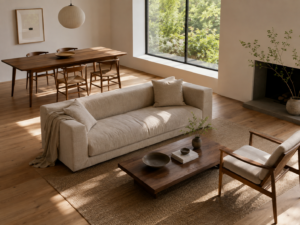
In practice, understated elegance appears in the way natural light passes through linen curtains, how a solid walnut dining table grounds a room, or how a single piece of art—chosen for its emotional impact rather than its size—becomes the focal point. This style rewards patience and careful selection.
Why Choose Understated Elegance Over Trendy Design?
Trendy design promises excitement and novelty, but it can quickly feel dated. Understated elegance offers longevity and calm instead. Here’s why it’s worth considering:
- Timelessness: Neutral colors and classic shapes don’t go out of style. A minimalist bedroom designed today will still feel fresh in a decade.
- Less clutter: Focusing on fewer, higher-quality pieces creates a space that’s easier to maintain and more enjoyable to live in.
- More comfort: Spaces built on understated elegance often prioritize function and comfort, making them more livable than trendy ones.
- Better resale value: Homes with timeless design appeal to more buyers, selling faster and for higher prices.
In 2024, Realtor.com found that homes with neutral interiors sold 12% faster and for 5% more than those with bold, trend-driven designs. This data shows the practical benefits of understated elegance.
When to Consider Understated Elegance
Understated elegance isn’t just for minimalists—it works in almost any home style. It shines in these situations:
- Small spaces: Light colors and uncluttered surfaces make rooms feel larger.
- Urban apartments: Clean lines and neutral tones fit the simplicity of modern city living.
- Historic homes: Blending contemporary minimalism with classic details creates a timeless yet respectful space.
- Family homes: Durable materials and practical layouts keep the space functional and beautiful as needs change.
Minimalist Home Decor Principles: The Foundation of Understated Elegance
Minimalist home decor isn’t about creating a sterile, empty space. It’s about distilling your home down to its most essential elements—those that bring joy, function, and beauty. These principles guide the process:
1. Quality Over Quantity: Invest in Fewer, Better Pieces
The minimalist idea “less is more” is often misunderstood as “less stuff.” In reality, it’s about less, but better. Prioritize high-quality furniture and decor that will last, rather than filling your space with inexpensive, disposable items.
For example, a minimalist bedroom with a solid wood bed frame, high-thread-count linen bedding, and one piece of art feels more luxurious than one cluttered with throw pillows and accent furniture. A 2025 McKinsey & Company report found that consumers who prioritize quality over quantity report 30% higher satisfaction with long-term purchases.
When shopping, ask yourself:
- Does this piece serve a purpose, or is it just filling space?
- Will I still love this item in five years?
- Is it made from durable, high-quality materials?
2. Neutral Color Palettes for Modern Homes: The Power of Muted Tones
Neutral color palettes form the backbone of understated elegance. They create a calm, cohesive backdrop that lets other elements stand out. Choose timeless colors rather than flat or boring ones.
A well-balanced neutral palette might include:
- Warm neutrals: Cream, beige, and soft taupe for a cozy feel.
- Cool neutrals: Gray, white, and pale blue for a crisp, modern look.
- Earthy tones: Warm browns, soft greens, and muted terracotta for a natural feel.
For ideas, see our guide to The Minimalist Color Palette: Sophisticated Neutrals That Create Timeless Interiors. It explains how to layer neutrals for depth without relying on color.
Color psychologist Angela Wright notes that neutral colors evoke stability, calm, and sophistication—qualities that align with understated elegance.
3. Clean Lines and Simple Silhouettes: The Hallmark of Minimalist Design
Minimalist design favors clean lines, geometric shapes, and uncluttered spaces. This doesn’t mean your home must look like a showroom—it’s about order and intention. For example:
- A dining room with a simple rectangular table and matching chairs feels more elegant than one with ornate carvings and mismatched upholstery.
- A minimalist entryway with a sleek console, one piece of wall art, and a mirror with a clean frame makes a welcoming first impression.
Architectural details help achieve this look. Subtle moldings or recessed lighting can add depth without detracting from simplicity.
4. Hidden Storage Solutions: Keep Clutter Out of Sight
Maintaining an understatedly elegant home means managing clutter. Hidden storage helps preserve clean lines and an uncluttered look.
Try these ideas:
- Built-in cabinetry: Custom built-ins blend seamlessly with walls, adding storage without disrupting flow. See our guide to Designing Custom Built Ins for Seamless Interiors.
- Multi-functional furniture: Ottomans with storage, beds with drawers, and coffee tables with shelves maximize space without sacrificing style.
- Minimalist shelving: Open shelves in the kitchen or living room can display curated items while keeping everyday essentials out of sight. For bathroom storage, see our Hidden Storage Solutions for Minimalist Bathrooms.
A National Association of Home Builders study found that 72% of homeowners cite clutter as a major source of stress. Prioritizing hidden storage creates not just a beautiful space, but a more peaceful one.
How to Incorporate Subtle Luxury into Your Home
Subtle luxury adds refined touches without overwhelming the space. It’s about choosing details that feel intentional, not flashy. Here’s how:
1. Choose High-Quality Materials
Materials set the tone for your home. Opt for natural, durable materials that improve with age:
- Wood: Solid hardwood floors, walnut furniture, and teak accents bring warmth and character.
- Stone: Marble countertops, quartz surfaces, and limestone tiles add sophistication.
- Metal: Brushed brass, matte black, and stainless steel hardware add subtle shine.
- Textiles: Linen, wool, and silk add texture and depth. For more, read our guide to Premium Textures for Minimalist Homes: Linen, Stone, Wood, and Metal Done Right.
A spa-inspired minimalist bathroom might feature matte black fixtures, honed marble countertops, and linen towels in neutral tones. These elements feel luxurious without being over-the-top.
2. Focus on Architectural Details
Architectural details add character and depth without a full renovation. Try these subtle upgrades:
- Crown molding: A simple, narrow crown molding can elevate even basic rooms.
- Wainscoting: Beadboard or paneling on lower walls creates texture.
- Ceiling treatments: Coffered ceilings, recessed lighting, or a statement chandelier add interest. See our guide to Ceiling Design Ideas for Subtle Architectural Luxury.
- Hardware: Sleek door handles, cabinet pulls, and light switches make a big impact.
A 2025 Architectural Digest report found that homes with well-executed architectural details sell for an average of 8% more than those without. This shows the value of investing in subtle, high-quality upgrades.
3. Layer Textures for Depth and Warmth
Texture prevents minimalist spaces from feeling cold or sterile. Layering different materials creates an inviting, lived-in look:
- Furniture: Pair a smooth leather sofa with a chunky wool blanket and a linen throw pillow.
- Flooring: Combine hardwood floors with a soft, plush rug in a neutral tone.
- Walls: Use matte and glossy paint finishes or subtle textured wallpaper.
- Decor: Add tactile elements like ceramic vases, woven baskets, or a stone sculpture.
For more, see our guide to Premium Textures for Minimalist Homes.
4. Add Luxury Details with Restraint
Luxury doesn’t mean excess. Focus on small, thoughtful details that elevate the space without overwhelming it:
- Artwork: Choose one statement piece that resonates, rather than a gallery wall. For minimalist bedroom ideas, see Minimalist Bedroom Design for Boutique Hotel Comfort.
- Lighting: A sculptural pendant light or sleek floor lamp can be both functional and decorative.
- Mirrors: A large, unframed mirror makes a space feel larger and adds elegance.
- Plants: A single, well-placed plant like a fiddle-leaf fig or snake plant brings life and freshness.
For more ideas, explore our collection of Subtle Luxury Decor.
Applying Understated Elegance to Every Room
Understated elegance adapts to different rooms in your home. Here’s how to tailor it to each space:
Living Room: Create a Calm and Inviting Space
The living room often serves as the heart of the home, so balance comfort and sophistication. To achieve understated elegance:
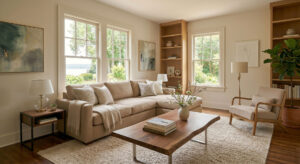
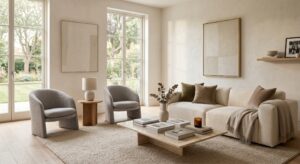
- Furniture: Choose a neutral-toned sofa with clean lines and pair it with a solid wood or stone coffee table. Avoid ornate pieces or loud patterns.
- Color palette: Use whites, grays, and soft beiges, with accents like sage green or muted terracotta.
- Textiles: Layer textures with a wool throw, linen curtains, and a jute rug for warmth and depth.
- Decor: Keep decor minimal. A single piece of art, a sculptural vase, or a stack of coffee table books can be the focal point.
For ideas, see our guide to Timeless Neutral Decor Ideas.
Kitchen: Focus on Function and Simplicity
The kitchen must balance beauty and function. To apply understated elegance:
- Cabinetry: Choose flat-panel or shaker-style cabinets in white, gray, or natural wood. Avoid ornate details or glossy finishes.
- Countertops: Use durable, high-quality materials like quartz or honed marble in a light color.
- Hardware: Pick sleek, minimalist handles or knobs in matte black, brushed brass, or stainless steel.
- Backsplash: Use simple subway tile in a neutral color or a single slab of marble for a seamless look.
- Decor: Keep countertops clear. A single vase of fresh flowers or a bowl of fruit adds life.
For more kitchen ideas, see our guide to Contemporary Color Palettes.
Bedroom: Design a Serene Retreat
The bedroom should feel like a sanctuary for rest and recharge. To create a minimalist, understatedly elegant bedroom:
- Bedding: Use high-thread-count linen or cotton sheets in neutral tones. Layer in a wool blanket or cashmere throw for texture.
- Furniture: Choose a simple, solid wood bed frame with clean lines. Avoid ornate headboards or footboards.
- Color palette: Stick to soft neutrals like white, cream, or pale gray, with accents like soft blue or sage green.
- Decor: Keep decor minimal. A single piece of art above the bed, a sculptural table lamp, or a stack of books on the nightstand adds personality without clutter.
- Storage: Prioritize hidden storage to keep the room calm. Built-in cabinetry or under-bed storage helps.
For more bedroom ideas, see our guide to Minimalist Bedroom Design for Boutique Hotel Comfort.
Home Office: Combine Focus and Style
A minimalist home office should inspire productivity without distractions. To achieve this:
- Desk: Choose a simple, solid wood desk with clean lines. Avoid ornate or bulky pieces.
- Chair: Pick an ergonomic chair in a neutral tone or a sleek, modern design that complements the desk.
- Color palette: Use whites, grays, and soft beiges, with accents like deep navy or forest green.
- Storage: Use hidden storage like built-in shelves or a storage ottoman to keep the space tidy.
- Decor: Keep decor minimal. A single piece of art, a plant, or a few books add personality without overwhelming the space.
For more office ideas, see our guide to Minimalist Home Office Design for Focus and Style.
Common Mistakes to Avoid When Styling with Understated Elegance
Understated elegance is rewarding, but it’s easy to stray into cold, empty, or impersonal territory. Watch for these mistakes:
1. Over-Relying on Neutral Colors
Neutral colors anchor understated elegance, but using them exclusively can make a space feel flat. Add subtle color through textiles, artwork, or decor:
- A single throw pillow in muted terracotta or sage green adds warmth.
- A piece of art with soft blue or gray tones creates a focal point.
For more color ideas, see our guide to The Minimalist Color Palette.
2. Choosing Cheap, Flimsy Materials
Understated elegance relies on quality. Cheap materials can undercut even the best design. Invest in materials that feel substantial:
- Solid wood furniture instead of particleboard or MDF.
- Natural stone countertops instead of laminate or vinyl.
- High-quality textiles like linen, wool, or silk instead of polyester or acrylic.
For more on selecting premium materials, read our guide to Premium Textures for Minimalist Homes.
3. Ignoring Lighting
Lighting is often an afterthought in minimalist design, but it shapes the feel of a space. Avoid relying only on overhead lighting. Layer different types:
- Ambient lighting: A statement chandelier or pendant light adds drama.
- Task lighting: A sleek desk lamp or under-cabinet lighting provides functional light.
- Accent lighting: A floor lamp, wall sconces, or LED strip lighting highlights details or decor.
For more lighting ideas, see our guide to Ceiling Design Ideas for Subtle Architectural Luxury.
4. Forgetting About Comfort
Understated elegance isn’t just about looks—it’s about creating a comfortable, livable space. Don’t sacrifice comfort for style:
- Choose a sofa that’s supportive and inviting, not just stylish.
- Use bedding that’s soft and cozy, not just visually appealing.
- Include seating that’s comfortable for lounging, reading, or chatting.
For more on comfortable minimalist spaces, see our guide to Minimalist Bedroom Design for Boutique Hotel Comfort.
5. Skimping on Storage
Clutter undermines understated elegance. Without enough storage, even the best-curated space can feel chaotic. Prioritize hidden storage like built-in cabinetry, multi-functional furniture, and minimalist shelving to keep everyday items out of sight.
For storage ideas, see our guides to Hidden Storage Solutions for Minimalist Homes and Hidden Storage Solutions for Minimalist Bathrooms.
Where to Find Understatedly Elegant Furniture and Decor
Once you’re ready to embrace understated elegance, source pieces that match your vision. Try these places:
1. High-End Minimalist Brands
Brands specializing in minimalist design often create pieces that fit understated elegance. Consider:
- Flexsteel for high-quality, timeless furniture.
- Article for affordable, modern minimalist pieces.
- Medley for sustainable, handcrafted furniture.
- Anthropologie for feminine, romantic minimalist decor.
2. Secondhand and Vintage Stores
Shopping secondhand is sustainable and can uncover unique, high-quality pieces. Look for solid wood, natural stone, or high-quality metals. Try thrift stores, antique shops, and online marketplaces like 1stDibs.
3. Custom and Bespoke Options
For a personalized touch, consider custom furniture. A tailor-made piece fits your space and aesthetic perfectly. Custom built-ins can blend seamlessly into your home’s architecture.
See our guide to Designing Custom Built Ins for Seamless Interiors for more.
4. Online Marketplaces
Online marketplaces like Wayfair, Pottery Barn, and Crate & Barrel offer minimalist, understatedly elegant pieces. Look for clean lines, neutral tones, and high-quality materials.
How to Maintain an Understatedly Elegant Home
Creating an understatedly elegant home is one step—maintaining it takes intention. Follow these tips to keep your space timeless and refined:
1. Edit Regularly
Clutter can build up over time. Set aside time every few months to reassess your belongings and remove items that no longer serve a purpose or bring joy. This keeps your home calm and uncluttered.
2. Stick to Your Color Palette
When adding new decor or furniture, refer to your established color palette. Choose hues that complement it and enhance the space’s harmony.
3. Invest in Quality Cleaning and Maintenance
High-quality materials need proper care to stay beautiful:
- Dust and condition wood furniture regularly to prevent cracking.
- Seal natural stone surfaces to protect against stains.
- Clean textiles like linen and wool according to instructions to preserve texture and color.
4. Avoid Impulse Purchases
One of the biggest challenges is avoiding impulse buys. Before purchasing, ask:
- Does this item serve a purpose in my home?
- Will I still love it in five years?
- Do I already have something similar?
Being intentional about purchases prevents clutter and keeps your home purposeful.
Final Thoughts: The Lasting Appeal of Understated Elegance
Understated elegance is more than a trend—it’s a philosophy that values intention, quality, and timelessness. By embracing minimalist principles, choosing neutral palettes, and prioritizing quality over quantity, you can create a space that feels both luxurious and livable. Whether redesigning one room or an entire home, curate with care and restraint.
At Master Crafted Home, we believe the most beautiful interiors stand the test of time. They’re spaces that feel as good as they look, where every detail is chosen to enhance daily life. Blend subtle luxury, architectural details, and premium textures to create a home that’s stylish and deeply satisfying.
Start by assessing your space with a critical eye, removing the unnecessary, and investing in pieces that match your vision. With patience and care, you’ll build a home that embodies understated elegance for years.
For more inspiration, explore our related guides: