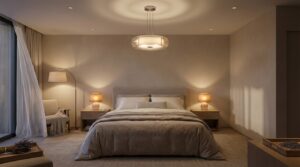
Welcome to your complete guide on creating a personal sanctuary. Thoughtful bedroom layout ideas can transform your space into a haven of peace and better movement.
A well-planned arrangement does more than look good. It directly affects how you rest and recharge. Your daily routines at home become smoother with smart organization.
Whether you have a spacious master suite or a compact room, the right approach maximizes function. It also creates a serene atmosphere that supports relaxation.
This article covers everything from basic principles to clever storage solutions. You’ll learn about lighting strategies and personal touches that make a space uniquely yours.
Good design isn’t just for professionals. With proper guidance, anyone can create a balanced, comfortable environment. You’ll discover practical tips backed by expert advice.
We’ll share real-world examples and modern tools that make planning simple. No matter your starting point or budget, you can achieve beautiful, functional results.
Key Takeaways
- Your room’s arrangement impacts daily relaxation and movement patterns
- Proper organization creates both visual appeal and practical benefits
- Effective solutions work for rooms of all shapes and sizes
- Basic design principles form the foundation for successful spaces
- Smart storage and lighting choices enhance functionality dramatically
- Personal touches make your environment feel uniquely comfortable
- Practical planning tools help visualize changes before implementing them
Defining a Serene Bedroom: Key Principles
Establishing a tranquil personal space begins with mastering a few essential design concepts. These fundamentals create the foundation for a truly restful environment.
Understanding Balance and Harmony
Balance in your bedroom means distributing visual weight evenly. No single area should feel overcrowded while another appears empty.
Expert Bailey suggests a smart way to maintain harmony. Pair tall furniture pieces like an armoire with complementary elements such as artwork or mirrors on the opposite side.
Designer Jung emphasizes that the best arrangements enhance calming qualities. You don’t want a setup that causes confusion or requires too much thought.
Achieving balance doesn’t mean perfect symmetry. It’s about creating natural equilibrium that feels inviting in your specific space.
Choosing a Dominant Focal Point
The focal point anchors the room and draws the eye immediately. Typically, this role belongs to the bed.
Bailey recommends situating your bed on the largest uninterrupted wall. This placement makes it the natural centerpiece of the room.
The bed should serve as your focal point, creating a sense of order and calm from the moment you enter.
Harmony comes from ensuring all elements work together cohesively. This creates a unified aesthetic that promotes true relaxation.
Mastering Bedroom Layout Ideas for Optimal Flow
Achieving seamless circulation within your sleeping quarters requires careful consideration of pathways. This approach ensures every movement feels natural and unforced throughout your daily routine.
Incorporating Expert Design Tips
Optimal flow means moving through your space without obstacles. Create natural pathways that feel intuitive and unobstructed.
Consider how you enter the area and access key features. Think about your path to the bed, closet, and windows. These traffic patterns determine the most functional arrangement.
Maintain clear walkways of 24-30 inches around major pieces. This ensures comfortable movement without feeling cramped. Proper spacing makes the entire area more accessible.
Plan your furniture placement before making purchases. Choose appropriately scaled items that won’t overwhelm the room. This prevents costly mistakes and ensures everything fits harmoniously.
The best arrangements create distinct zones for different activities. Design areas for sleeping, dressing, and relaxation without chopping up the space. Each zone should flow naturally into the next.
Sketch your room dimensions and experiment with different arrangements. Use paper or digital tools before moving heavy furniture. This saves time and effort while exploring options.
Good circulation isn’t just about physical movement. Visual flow matters too. Your eye should travel smoothly around the room without jarring interruptions.
Trust your instincts about what feels right. The way you naturally move through the space often reveals the most functional arrangement. Your comfort should guide final decisions.
| Approach | Key Benefit | Best For | Considerations |
|---|---|---|---|
| Central Focus | Creates strong visual anchor | Larger spaces | Requires ample walking space around center |
| Perimeter Placement | Maximizes open floor area | Compact rooms | Can feel crowded if overfilled |
| Zoned Arrangement | Defines activity areas clearly | Multi-purpose spaces | Needs careful transition planning |
| Diagonal Orientation | Adds dynamic visual interest | Square-shaped areas | May waste corner space |
Evaluating Furniture Placement to Create Balance
The way you position key pieces in your room dramatically impacts both function and feeling. Strategic arrangement creates harmony and improves daily use.
Your furniture placement determines how the space flows and feels. It’s the foundation of a comfortable environment.
Aligning the Bed, Nightstands, and Storage
Start with your bed as the central anchor. Bailey recommends placing it against the largest uninterrupted wall. This establishes a strong focal point.
Flank the bed with matching nightstands. They create symmetry and provide practical surface space. Keep lamps and personal items within easy reach.
Weave in additional storage pieces like dressers or benches. Maintain visual balance throughout the room. If you have a tall armoire on one side, balance it with artwork or a mirror opposite.
Utilizing Uninterrupted Wall Space
Identify walls without doors or windows. These areas offer prime real estate for your most important furniture.
Leave 3-4 feet of clearance in front of dressers and storage units. This ensures comfortable access and movement.
Thoughtful placement creates order and calm. Your bedroom will feel intentionally designed rather than randomly arranged.
The Role of Bed Orientation and Natural Light
The direction your bed faces plays a crucial role in creating comfort and security. Proper alignment with entry points and light sources transforms how you experience your personal space daily.
Positioning the Bed for a Welcoming Entrance
Design expert Scott emphasizes a key principle for bed placement. The foot of your bed should ideally point toward the door when you enter the room.
This orientation creates a welcoming view as you enter, rather than placing the bed directly against the entrance wall. It allows you to see who’s entering, which contributes to feelings of security.
This approach makes the space feel more inviting. However, window and door positions can limit your options. Creative problem-solving helps achieve the ideal orientation.
Bailey recommends maximizing natural light benefits. Placing the bed perpendicular to windows lets you enjoy sunlight without harsh morning glare. This thoughtful placement enhances your daily experience.
Jung adds practical advice about bathroom doors. Avoid positioning your bed facing an en suite bathroom. This maintains the serene atmosphere you’re creating.
Proper bed orientation relative to natural light sources helps regulate your circadian rhythm. This can improve sleep quality and morning wakefulness.
| Orientation | Primary Benefit | Best Application |
|---|---|---|
| Foot toward door | Creates welcoming entrance | Standard room configurations |
| Perpendicular to window | Optimizes natural light | Rooms with ample windows |
| Away from bathroom | Maintains serene atmosphere | Suites with en suite bathrooms |
Experiment with different bed placements if possible. Try temporary arrangements to see how orientations affect your comfort level. The right placement makes a significant difference in your daily routine.
Innovative Layouts for Small Bedrooms
Working with limited square footage presents unique opportunities for creative design solutions. Many people face the challenge of compact sleeping areas, but smart approaches can transform these spaces.
Modern small bedroom layouts focus on maximizing function without sacrificing style. The key lies in strategic furniture choices and clever organization.
Utilizing Vertical Space and Multipurpose Solutions
Think upward when floor space is scarce. Wall-mounted shelves and floating nightstands free up valuable real estate.
Multipurpose furniture becomes essential in tight quarters. Beds with built-in drawers eliminate the need for separate dressers. Ottomans with hidden storage serve dual purposes beautifully.
For awkward room shapes, consider tucking the bed into a corner. Position the headboard against two walls to maximize open area. This creative approach works wonderfully in challenging spaces.
Maximizing Every Inch for Comfort
Every element should contribute to both function and comfort. Select furniture pieces carefully, ensuring each serves multiple purposes.
Maintain clean visual flow by avoiding clutter. Strategic placement creates the illusion of more space while preserving cozy intimacy.
| Solution Type | Key Benefit | Best Application | Implementation Tip |
|---|---|---|---|
| Vertical Storage | Frees up floor space | All compact rooms | Use floor-to-ceiling units |
| Corner Bed Placement | Maximizes open area | Awkward-shaped spaces | Frame with bookshelves |
| Multifunctional Furniture | Serves multiple needs | Tight quarters | Choose pieces with hidden storage |
| Visual Expansion | Creates spacious feeling | Any small bedroom | Use mirrors and light colors |
Even the most compact bedrooms can feel open and inviting with thoughtful planning. The right combination of vertical thinking and smart furniture creates a comfortable retreat.
Integrating Storage Solutions with Style
Smart storage integration is the secret to a truly serene and functional personal space. The goal is to hide necessities without creating a sterile environment.
Your storage choices should feel like a natural part of the room’s design.
Incorporating Built-In Wardrobes and Concealed Drawers
One powerful approach dedicates an entire wall to floor-to-ceiling built-in units. Position your bed directly opposite this feature wall.
This creates a clean, hotel-like aesthetic. It maximizes storage capacity beautifully, especially in areas with limited closet space.
Concealed options are incredibly efficient. A bed frame with built-in drawers provides substantial storage without needing a separate dresser. This saves valuable floor space.
Even traditional pieces like a rustic dresser can serve dual purposes. They offer necessary storage while grounding the room’s design and providing surface space.
Mixing open shelving with closed cabinetry creates visual interest. You can display favorite items while hiding everyday clutter. This balance is key to a calm atmosphere.
For more smart bedroom storage ideas, consider your needs before choosing furniture. Realistic planning prevents overloading the room.
| Storage Solution | Visual Impact | Ideal For | Space Efficiency |
|---|---|---|---|
| Built-In Wardrobe Wall | Streamlined, Integrated | Master suites, limited-closet rooms | High – utilizes vertical space |
| Bed with Built-In Drawers | Minimalist, Hidden | Compact rooms, minimalist design | Very High – multi-functional furniture |
| Statement Dresser | Grounded, Decorative | Traditional or maximalist spaces | Medium – requires floor area |
| Mixed Open/Closed Units | Dynamic, Personalized | Any style, displaying collections | High – flexible configuration |
Lighting and Accent Considerations for Calm Ambience
Lighting choices and decorative elements work together to establish a soothing environment that promotes rest and relaxation. The right combination can completely transform your space’s mood and atmosphere.
Layering Lighting for Warmth
Effective lighting involves three layers working in harmony. Ambient lighting provides overall illumination through ceiling fixtures or recessed lights.
Task lighting serves specific needs like reading. Bedside lamps offer focused illumination where you need it most.
Accent lighting adds warmth and visual interest. Consider fairy lights, soft paper lanterns, or integrated underlighting. These elements create a gentle glow that enhances relaxation.
Using Curtains and Accent Elements
Window treatments play a crucial role in light control. Sheer curtains filter harsh sunlight into a soft, gentle glow during daytime hours.
Layer sheer panels with blackout curtains for complete flexibility. This combination allows soft natural light by day and darkness for quality sleep at night.
Decorative accents like brass fixtures or colorful sconces add personality. They contribute to the overall lighting scheme while creating beautiful focal points throughout your room.
Personalizing Your Space with Cohesive Decor
Cohesive decor serves as the finishing touch that bridges practical design with personal expression. This final layer transforms your functional setup into a space that truly reflects your unique personality.
Your decorative choices should complement each other without needing perfect matches. Visual harmony comes from thoughtful combinations rather than identical pieces.
Blending Colors, Textures, and Materials
Start with a color palette that resonates with your personal style. Whether you prefer warm blush tones or earthy neutrals, this foundation guides all other choices.
Layer patterns thoughtfully within your chosen scheme. A geometric headboard can work beautifully with floral bedding and striped pillows. This approach creates visual interest while maintaining cohesion.
Mix materials like woven textiles, smooth wood, and plush fabrics. These combinations add depth and tactile richness to your home environment.
| Decor Approach | Color Foundation | Texture Strategy | Best For Personality |
|---|---|---|---|
| Maximalist Mix | Bold reds with micro florals | Layered patterns and rich fabrics | Expressive, bold individuals |
| Earthy Harmony | Neutral tones with warm accents | Woven textures and natural materials | Calm, nature-loving styles |
| Tailored Geometric | Soft neutrals with sharp contrasts | Structured patterns and clean lines | Organized, modern preferences |
| Romantic Softness | Blush tones throughout | Plush fabrics and delicate patterns | Comfort-seeking, gentle styles |
Meaningful pieces like artwork or travel mementos make the space authentically yours. These personal touches tell your story better than any trend.
Trust your instincts when selecting decor options. Choose what genuinely resonates with your lifestyle rather than following fleeting fashions. Your bedroom should feel like a true reflection of you.
Tips for Designing a Master Bedroom Retreat
Your master suite should feel like a true escape from daily demands. This personal retreat balances multiple functions within one cohesive space.
Quality sleep remains the primary focus, but relaxation and personal care matter too. Some people even incorporate a small work zone.
Creating Separate Zones for Sleep and Relaxation
Larger master suites benefit from clear zone separation. Designate one area for your bed and sleeping needs.
Create a distinct relaxation zone opposite the sleeping area. Use comfortable seating like chairs or a chaise lounge.
A side table and lamp complete this cozy corner. This approach works best in spacious master areas.
Incorporate a workspace by placing a slim desk in a quiet corner. Choose furniture that blends with your décor for visual cohesion.
Area rugs or shelving can subtly separate the work zone. This maintains the room’s overall calm atmosphere.
Transform architectural features like bay windows into special areas. Add a bench with cushions for reading or a small table for morning coffee.
Thoughtful furniture choices serve multiple purposes. An upholstered bench at the foot of your bed offers extra seating and storage.
| Zone Type | Key Furniture | Separation Method | Best For |
|---|---|---|---|
| Sleep Zone | Bed, nightstands | Wall placement | All master suites |
| Relaxation Zone | Chairs, chaise, side table | Opposite wall arrangement | Larger spaces |
| Work Zone | Slim desk, task lamp | Area rugs, shelving | Multi-functional needs |
| Feature Zone | Window bench, small table | Architectural emphasis | Rooms with special features |
Prioritize comfort in your master retreat. Select quality bedding and personal touches that make the suite feel uniquely yours.
How to Experiment with Room Flow Through 3D Planning
Digital planning tools have revolutionized how we approach room arrangement, offering a risk-free way to visualize changes. These innovative solutions let you test different configurations without physical effort.
Exploring Virtual Tools for Layout Experimentation
Modern 3D planners create accurate digital replicas of your space. You input exact dimensions, windows, and doors for precise results.
The drag-and-drop interface makes testing various options simple. You can experiment with furniture placement and instantly see how everything fits together.
This approach offers a significant advantage over traditional methods. You can quickly compare centered versus corner bed positions without heavy lifting.
Virtual tools help visualize how design elements work in harmony. Scale, color schemes, and lighting placement become clear before commitment.
Built-in furniture libraries with accurate dimensions prevent costly mistakes. You’ll know if that dresser fits your available floor space.
Keep an open mind when exploring unconventional layouts. Sometimes surprising arrangements work best in practice.
The biggest advantage is saving time, money, and physical strain. These user-friendly tools don’t require professional design experience.
Conclusion
Creating your perfect personal retreat is simpler than you might think. Thoughtful bedroom layout ideas can transform your space from merely functional to truly restorative.
Remember that successful design starts with key principles like balance and harmony. Proper furniture placement enhances your daily routines rather than disrupting them.
These strategies work for any space, from spacious suites to compact bedrooms. Bed orientation, smart storage, and layered lighting create universal improvements.
Personalization makes the difference between a well-designed room and one that feels like home. Blend expert guidance with your unique preferences.
Modern tools like 3D planners remove guesswork from experimentation. They make professional-quality design accessible to everyone.
Start with one or two changes rather than feeling overwhelmed. Even small improvements significantly impact comfort and flow.
Your bedroom should be your personal sanctuary. Investing time in getting the layout right pays dividends in better sleep and daily enjoyment of your home.